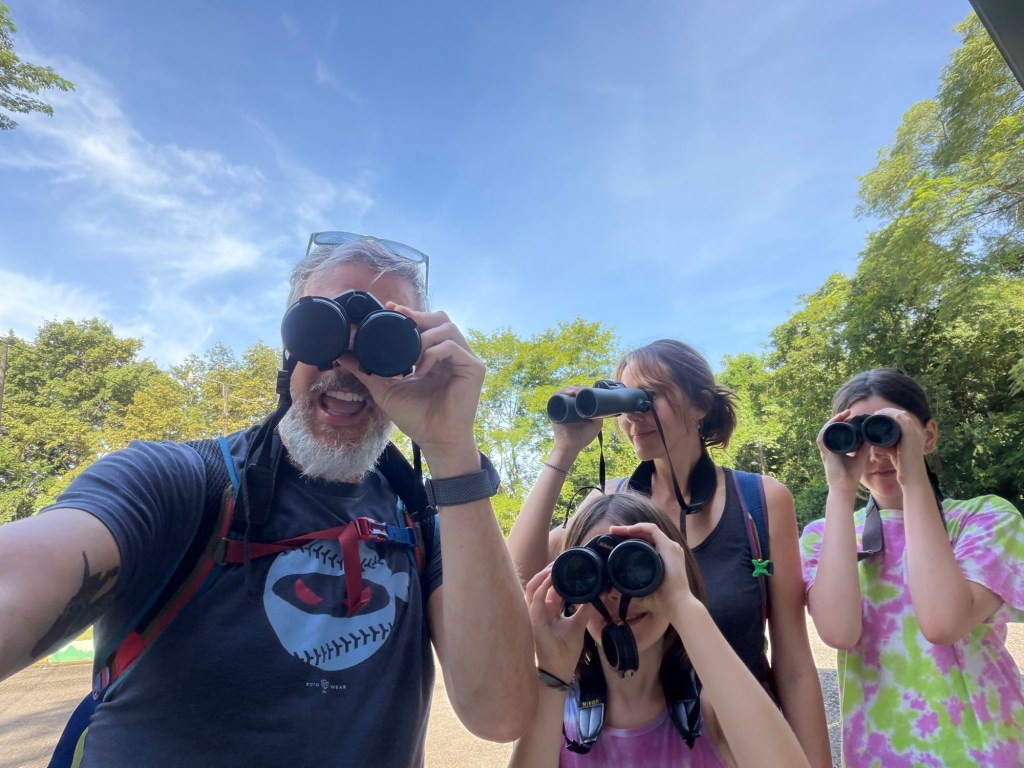
It has been a while since we last checked in and we have been quite busy. We’ve visited volcanically heated hot springs with some friends, traveled via public transportation using multiple buses to Tarcoles to visit two National Parks near the coast and saw a lifetime’s worth of animals in just the past week alone. The girls have truly settled into their school routines, riding the school bus, making their own lunches and improving their Spanish. Cleo also got the bonus surprise of having her dad as her English teacher for the past 3 weeks.
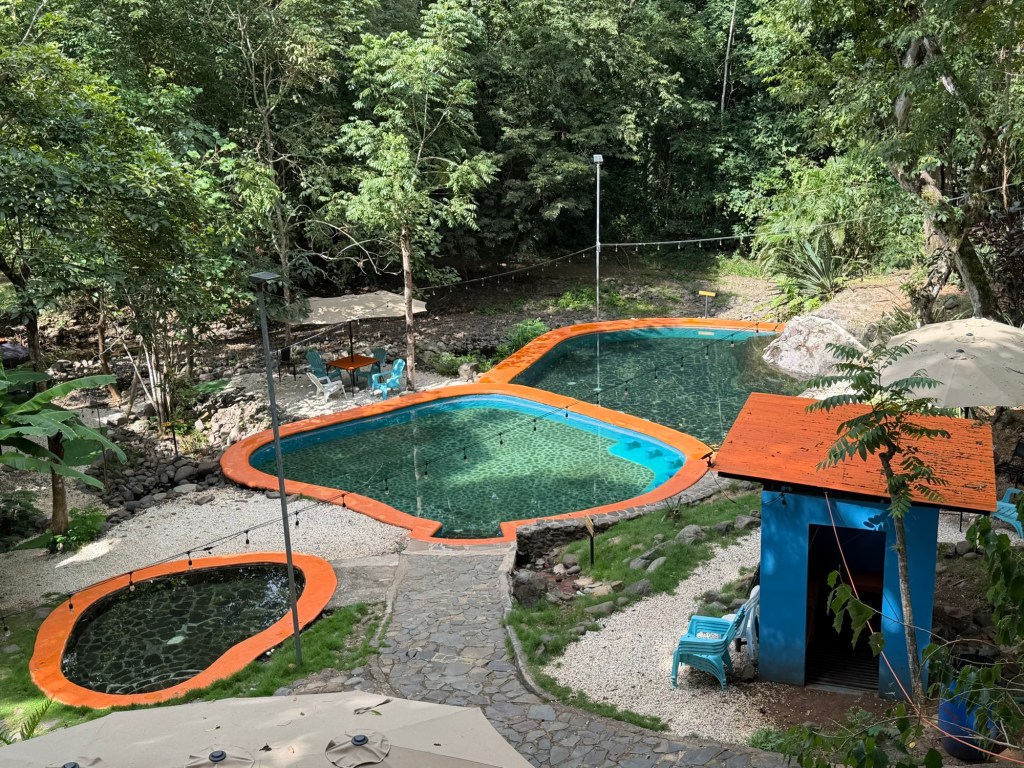
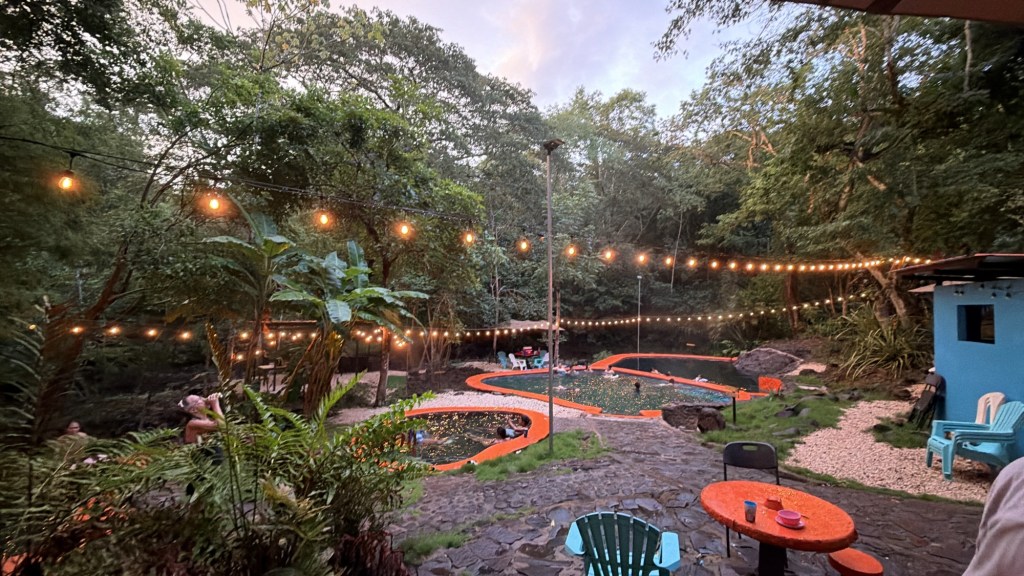
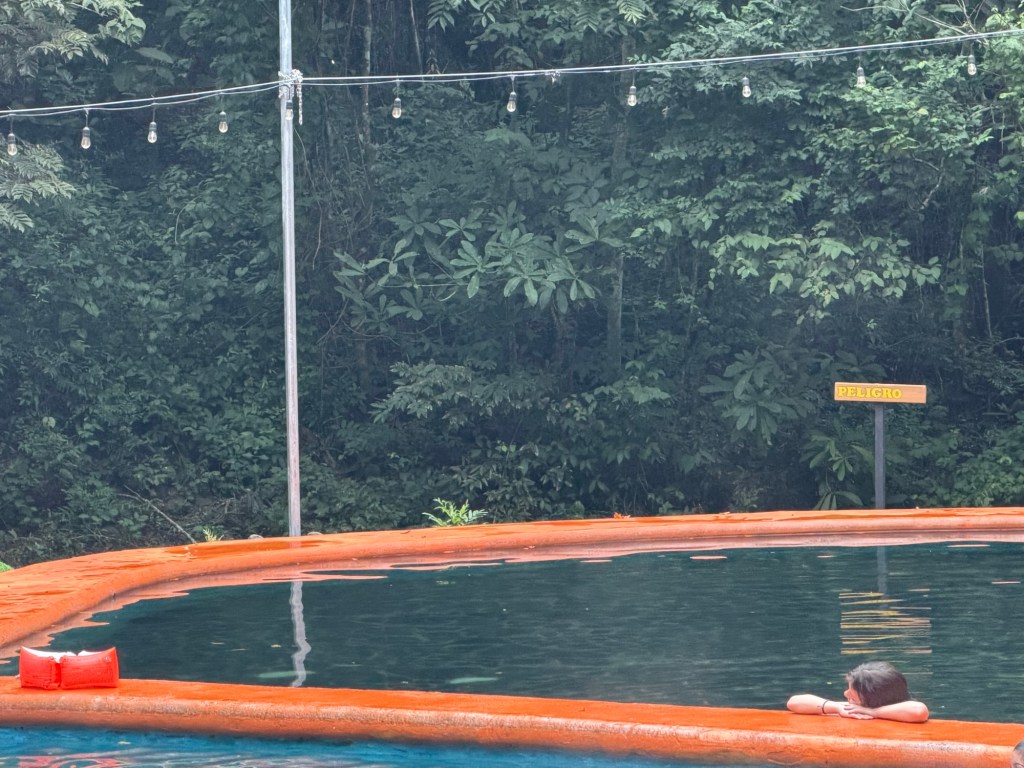
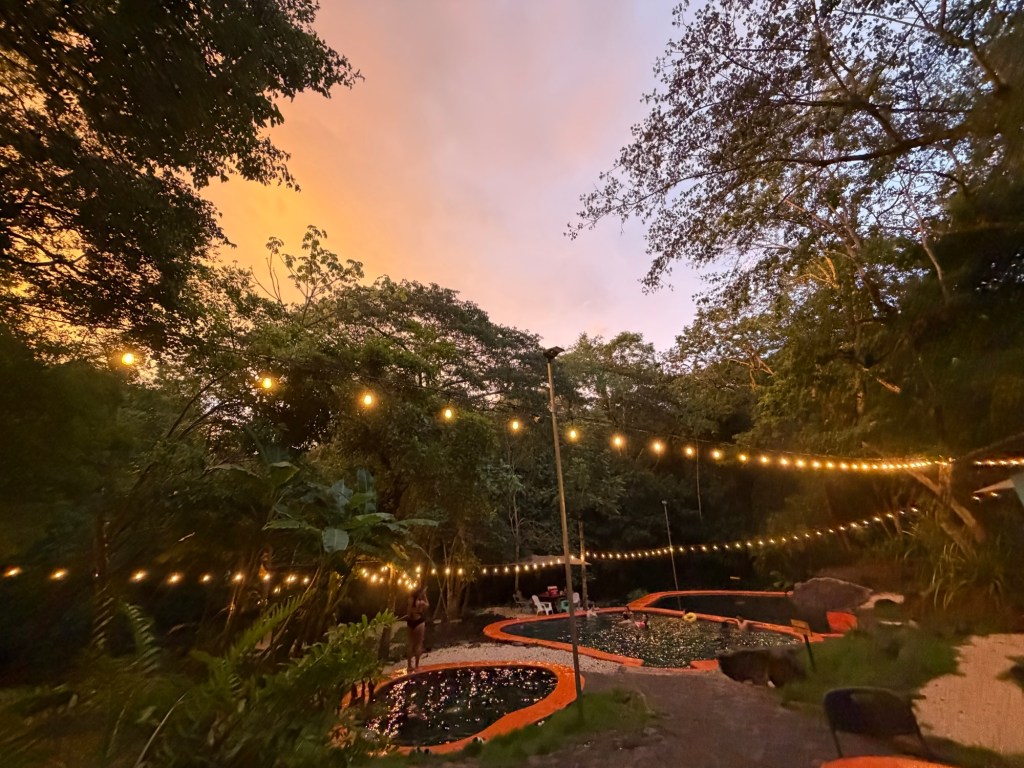
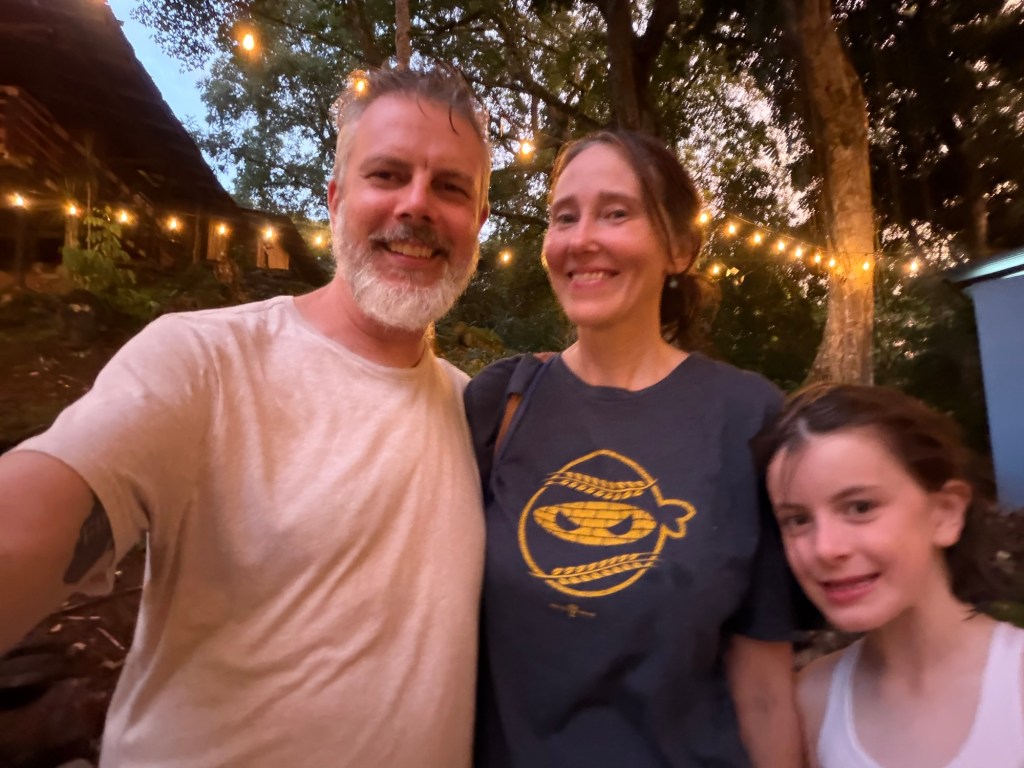
Operation “Bring Elise to the Heat” started on September 19th with a visit to the Termales Bosque Caliente Hot Springs. In just 45 minutes we dropped to a much lower altitude where we were met with both heat and humidity. Those factors aside, the hot springs were very relaxing and allowed us an opportunity to get to know some of the other families better.
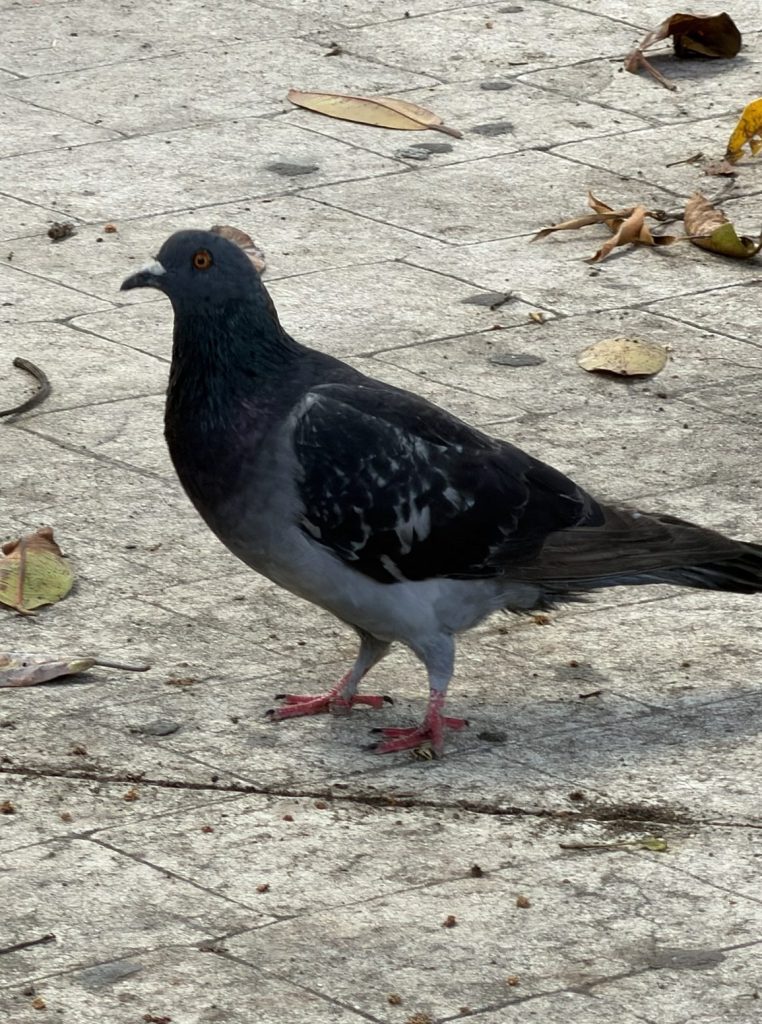
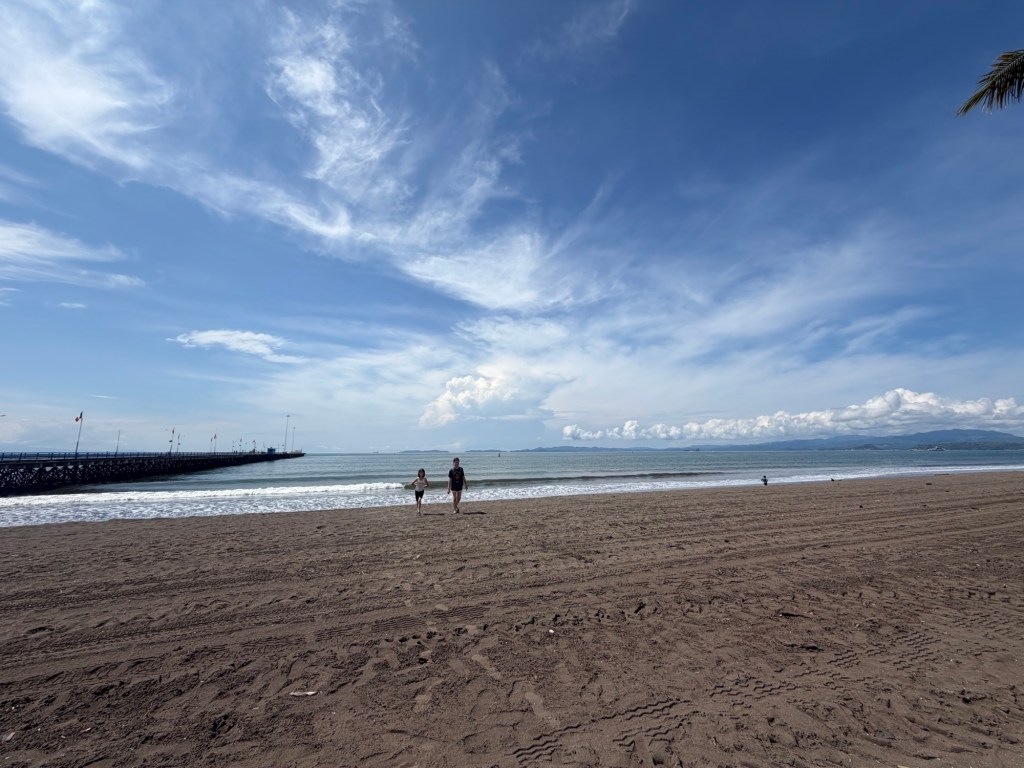
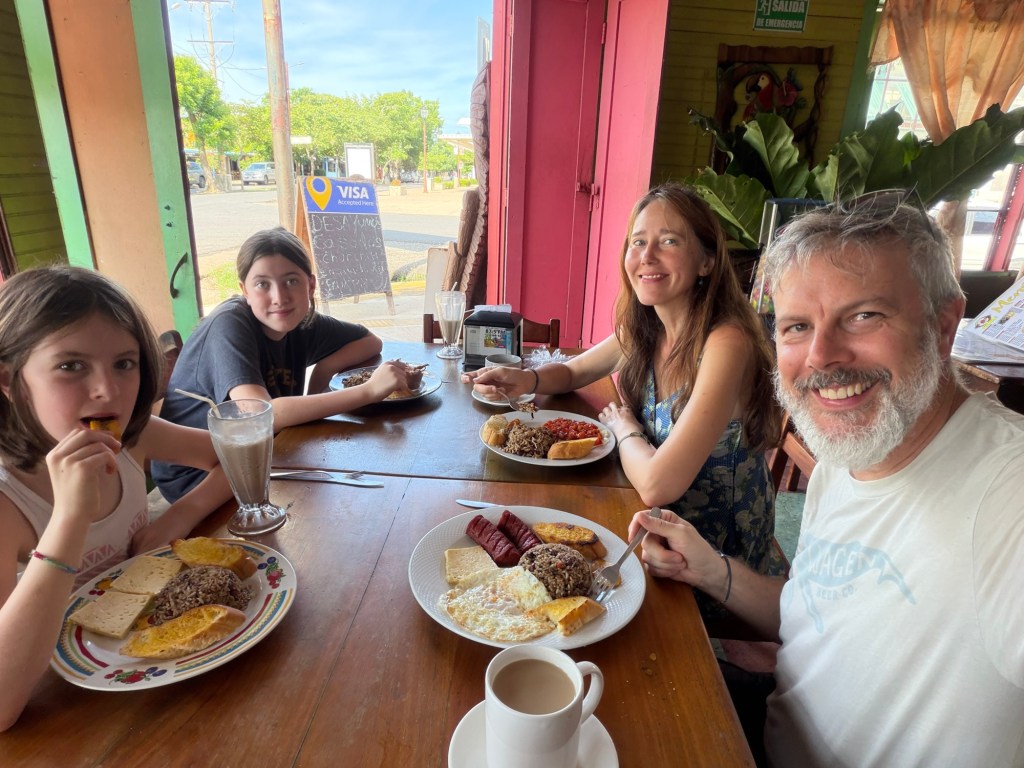
On the 24th of September, we headed due south to Tarcoles and descended the 4,600 feet to sea level. This required two different buses and leaving the house at 5am. The girls did very well with this type of traveling which was an important factor for us as parents in choosing to live here and not own a car. We arrived in Puntarenas with a few hours to spare and all ate Gallo Pinto in a seaside restaurant before walking a bit along the coast.
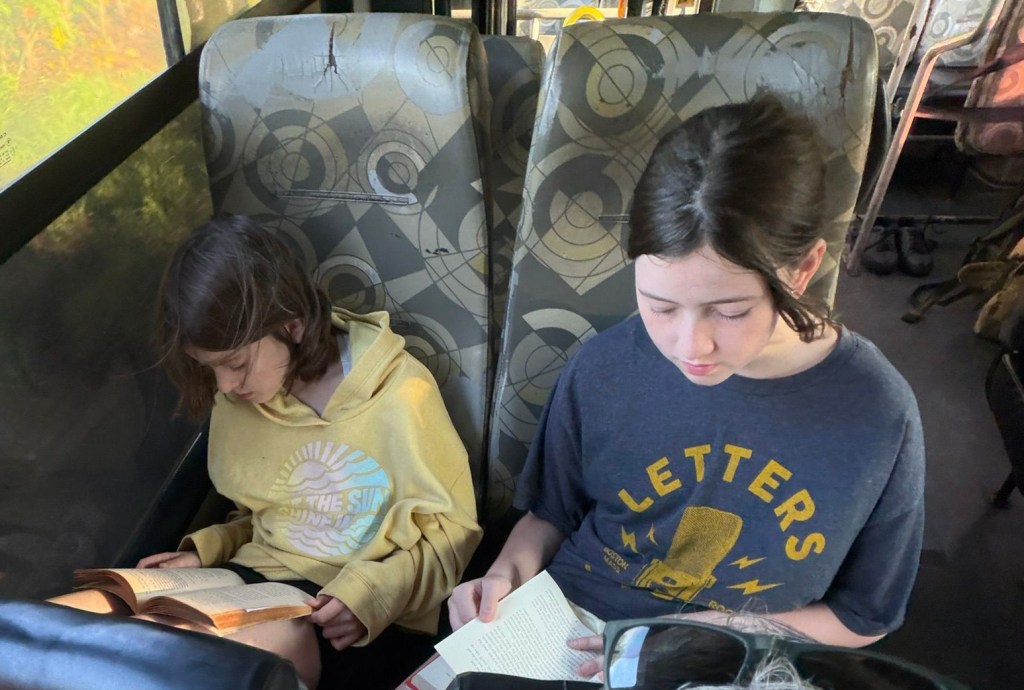
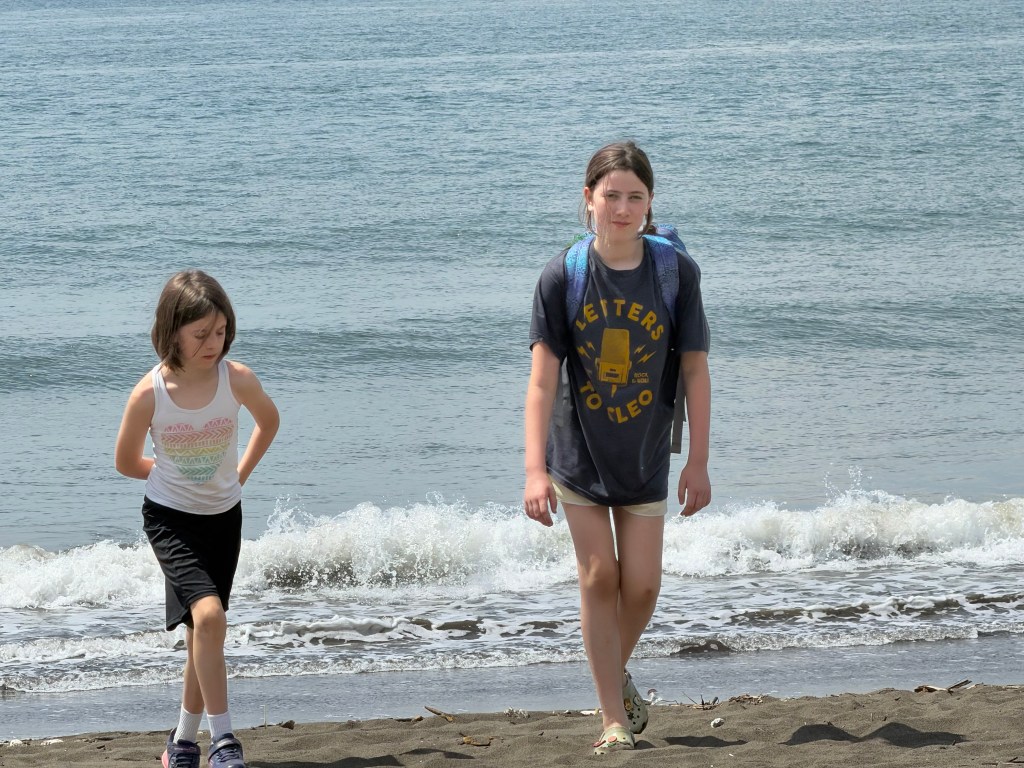
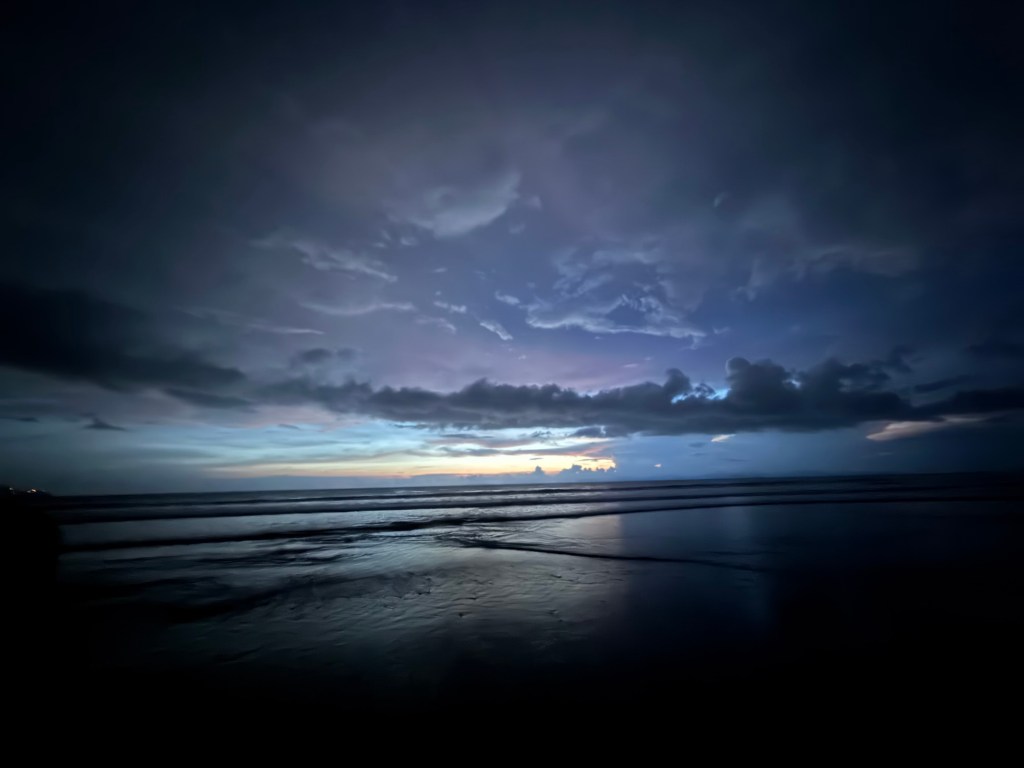
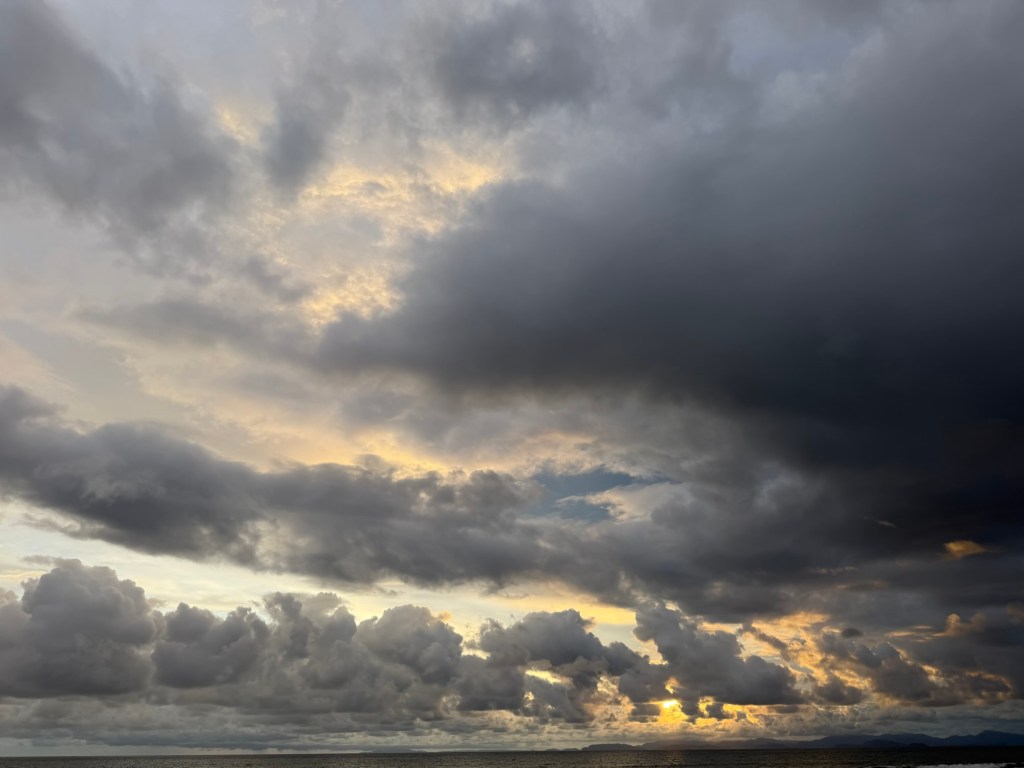
We booked an Airbnb that ended up being quite far away from the main road, but it allowed us an opportunity to immediately see the Scarlet Macaw birds of which Carara National Park is known to have within its forest. They make an incredibly strange sound and look magnificent while flying through the sky with superhero intent. Importantly, this incredible species is highly threatened by the pet trade and this is one of the few regions where you can see them in these numbers. We were also three blocks from the ocean and got to see some lovely sunsets over the course of our 3 nights in the area.
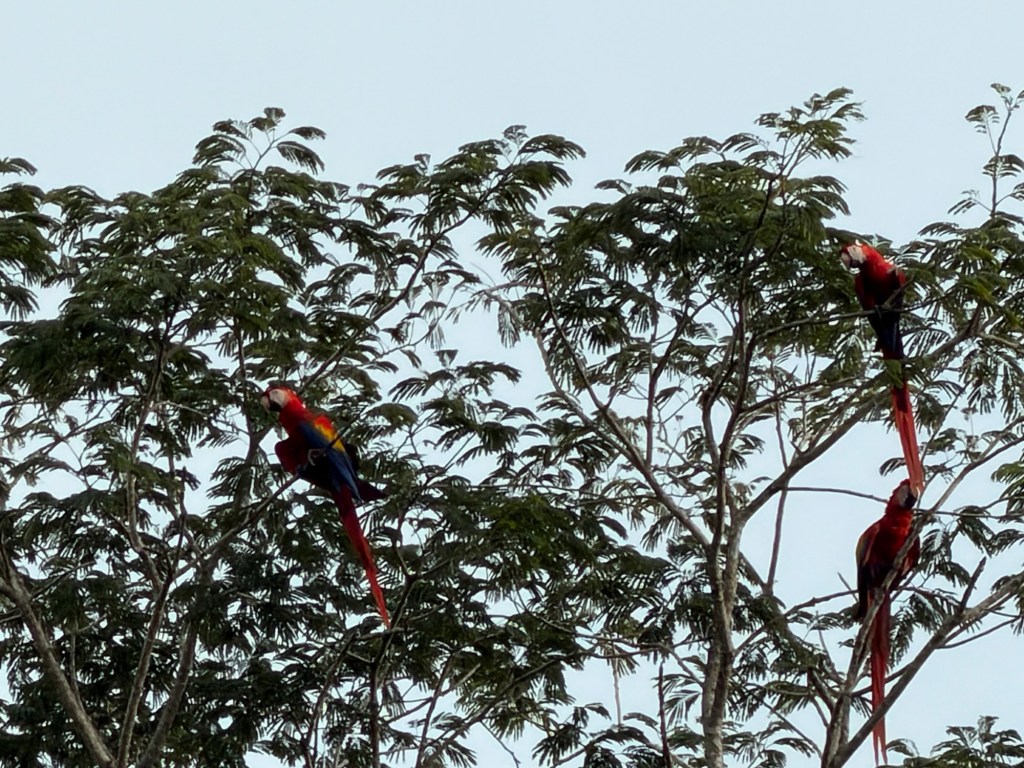
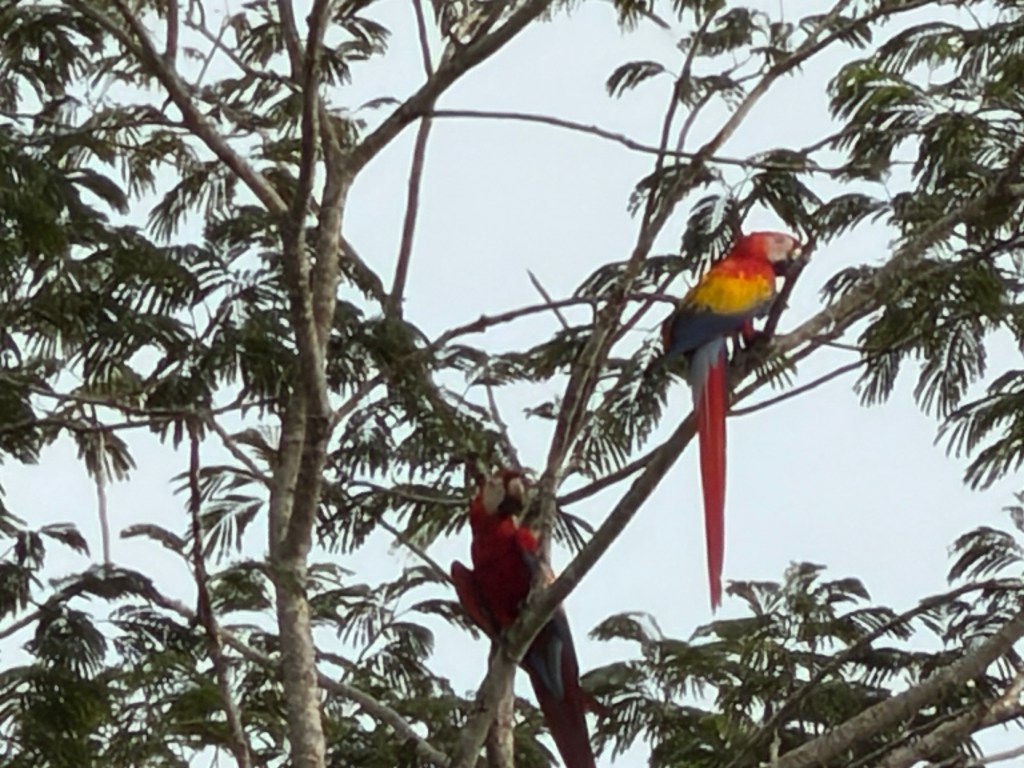
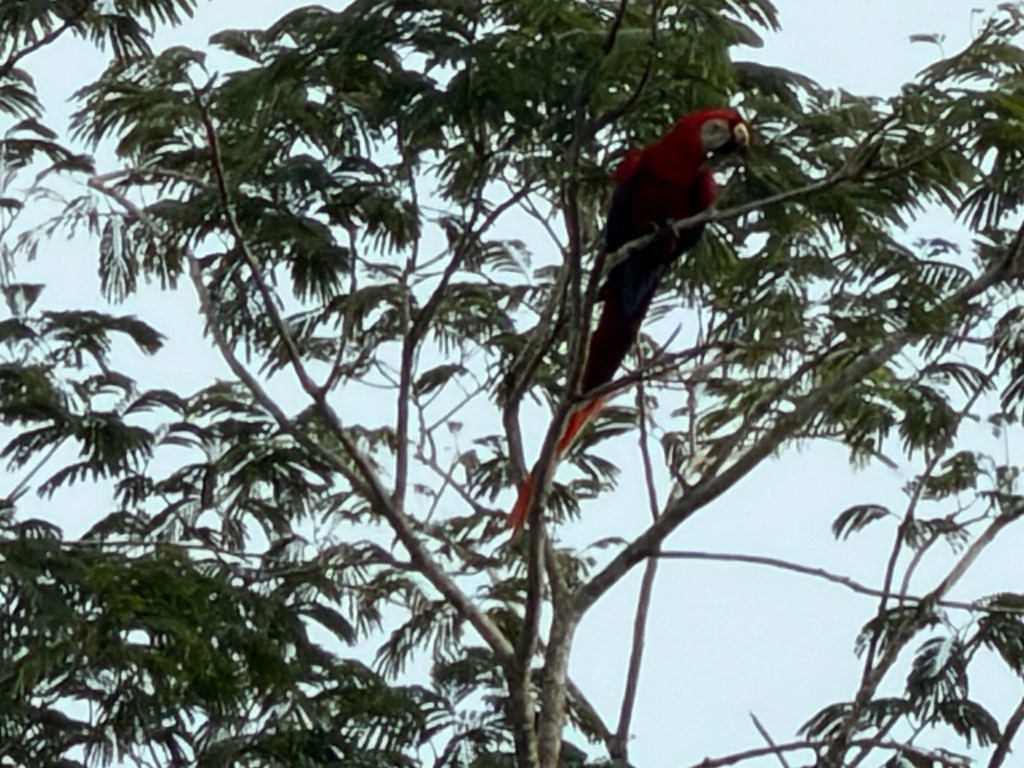
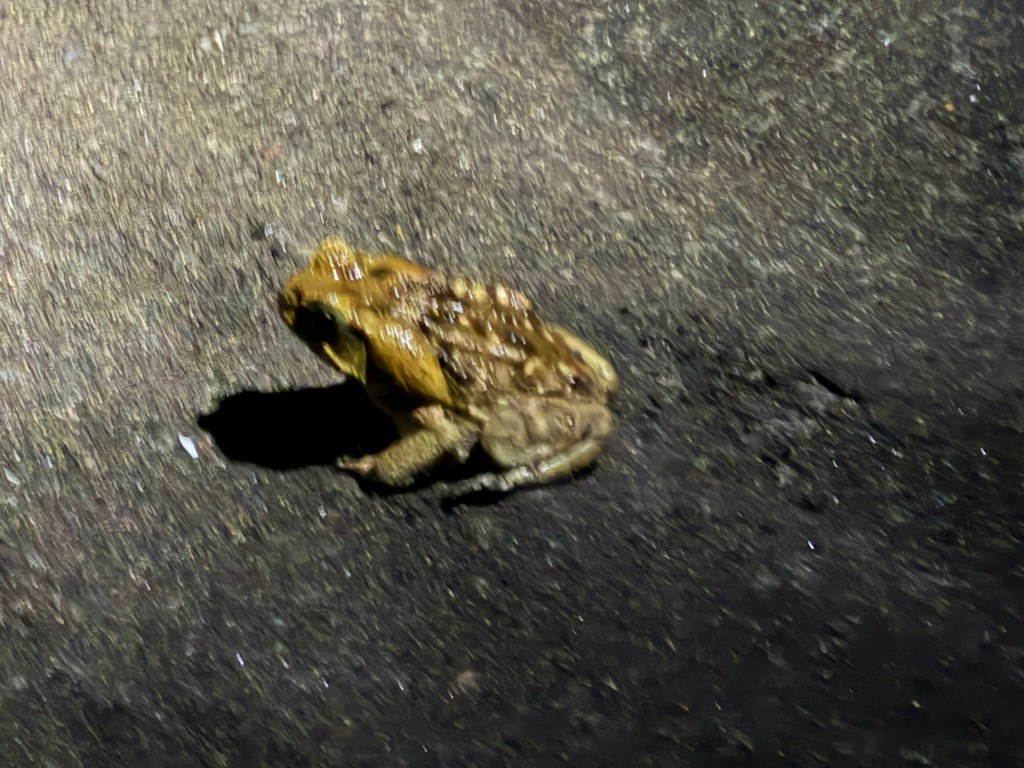
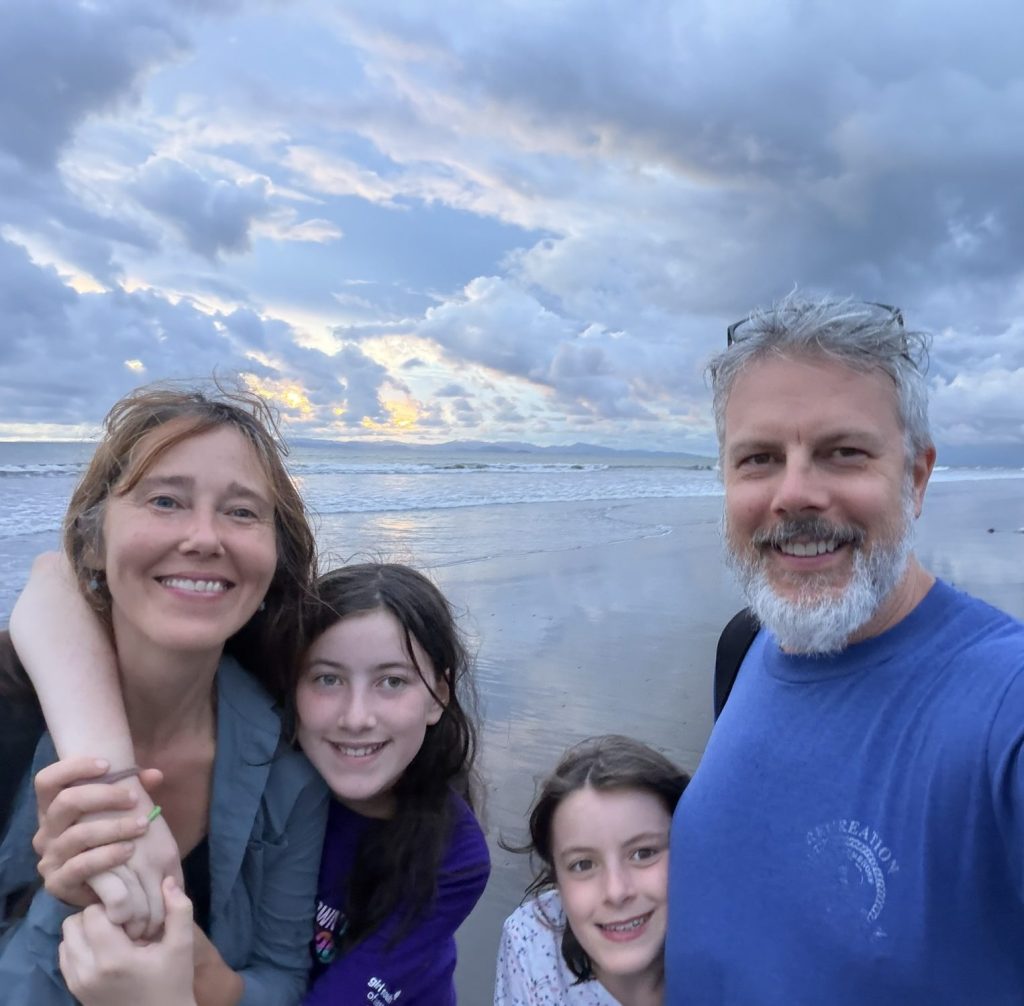
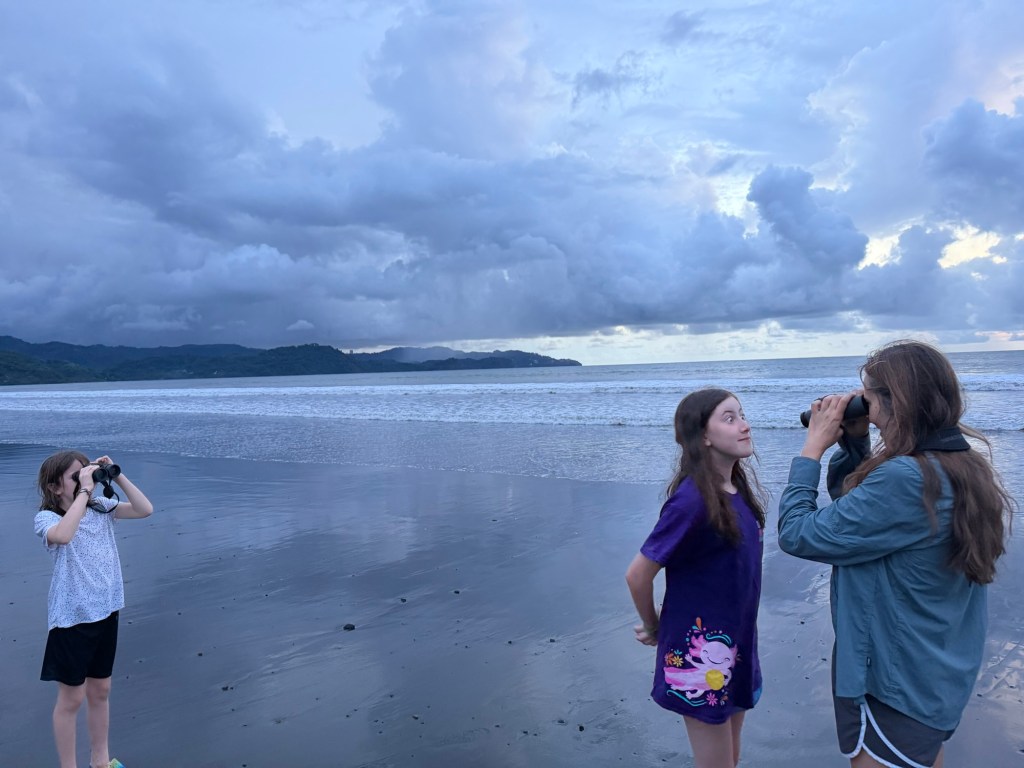
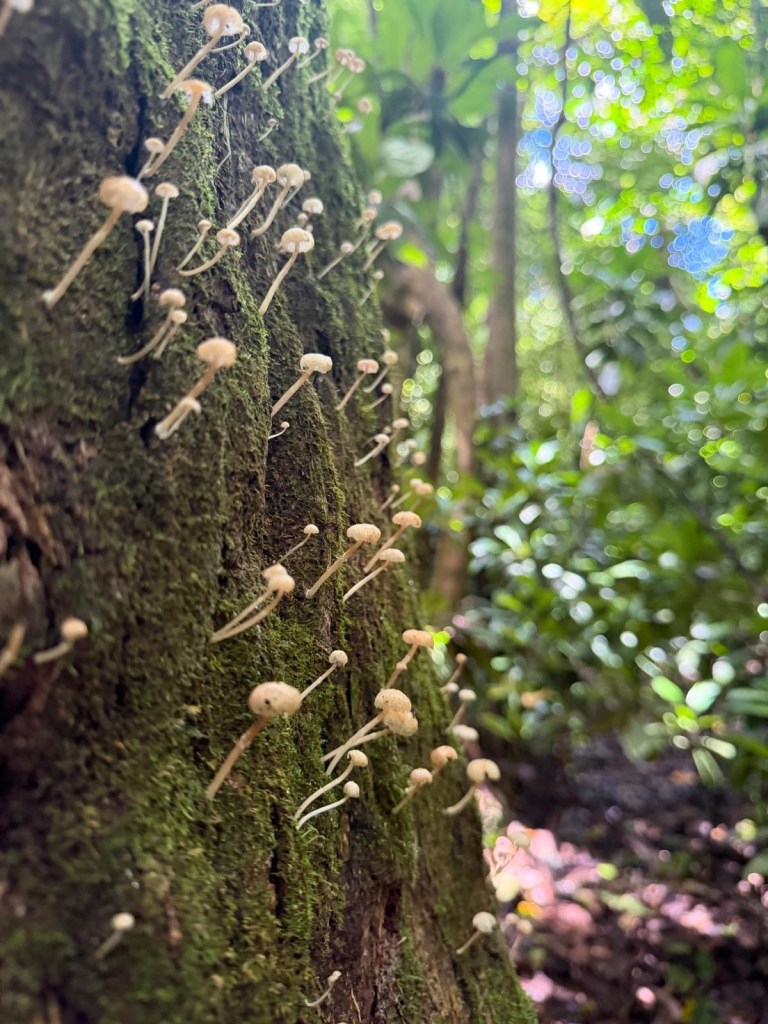
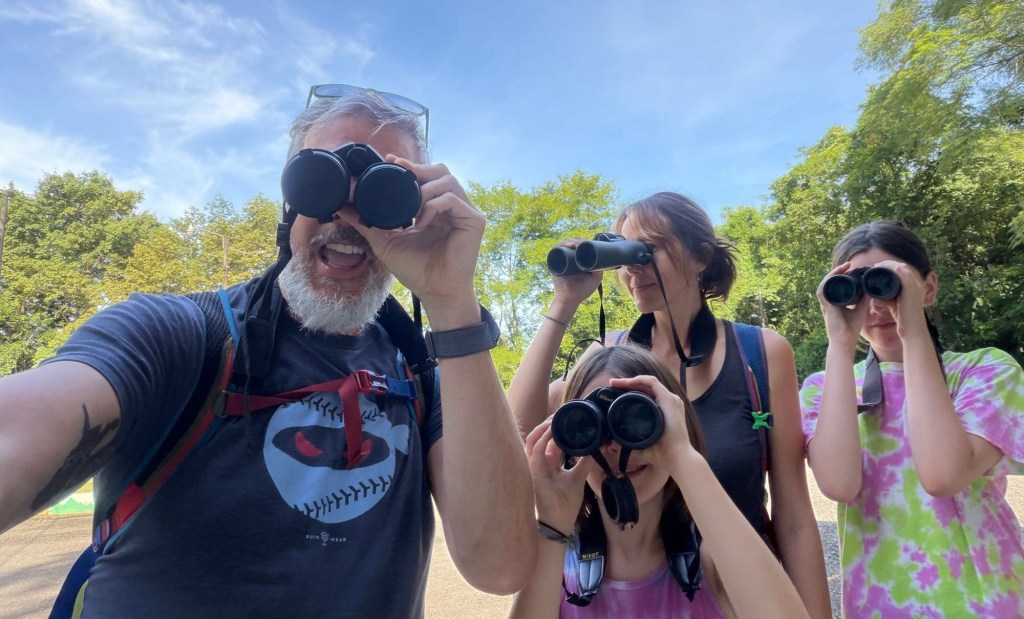
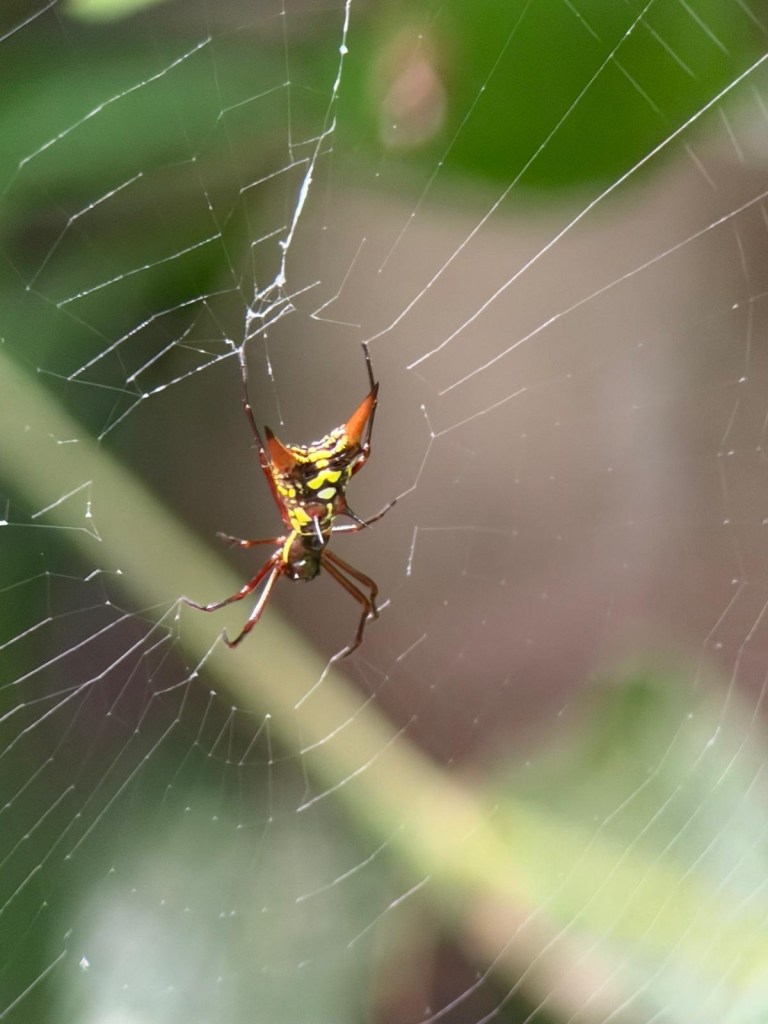
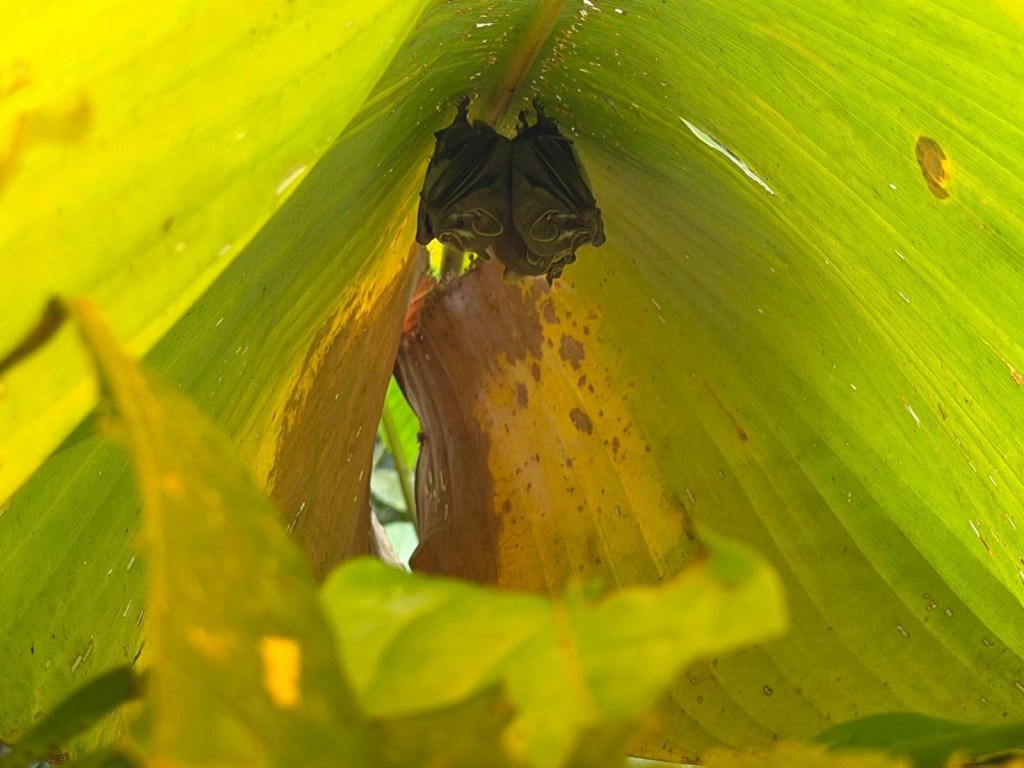
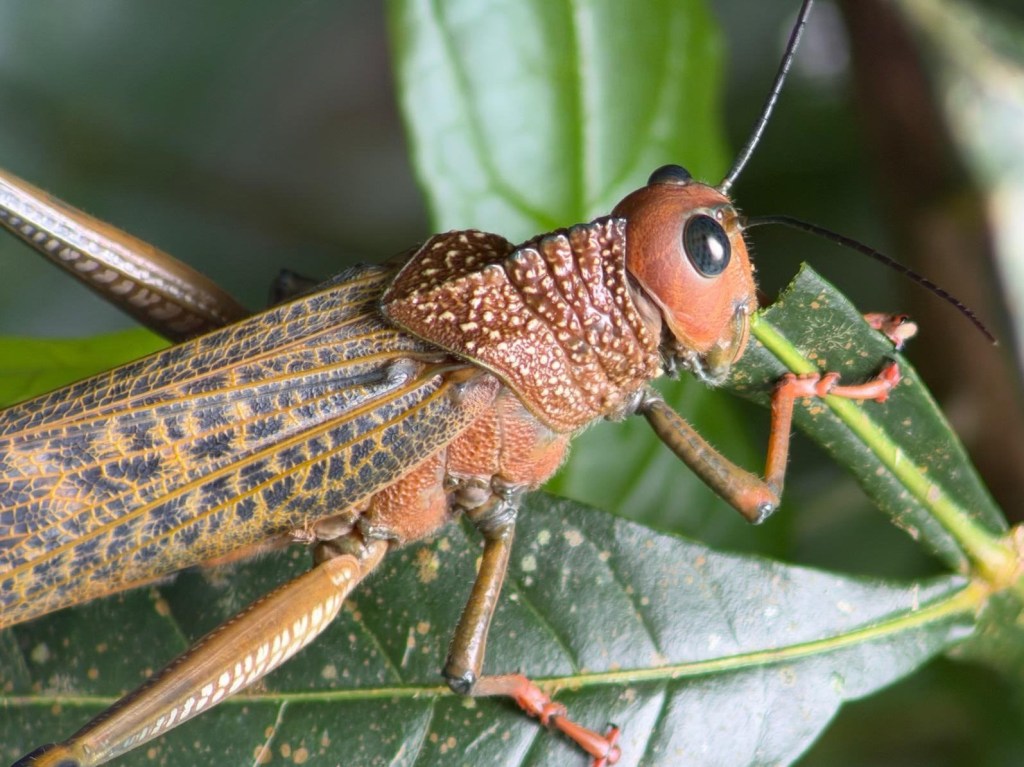
Our main reason for traveling was to visit the Carara National Park and its Scarlet Macaw Sanctuary. This park is world renowned because it preserves the only “transition forest” in the Central Pacific region, where the unique biological zones of dry tropical forest and humid rainforests meet. We hired a guide to help us spot wildlife while in the park and Jeison truly helped us see far more than we would have on our own. Here are some highlights below:
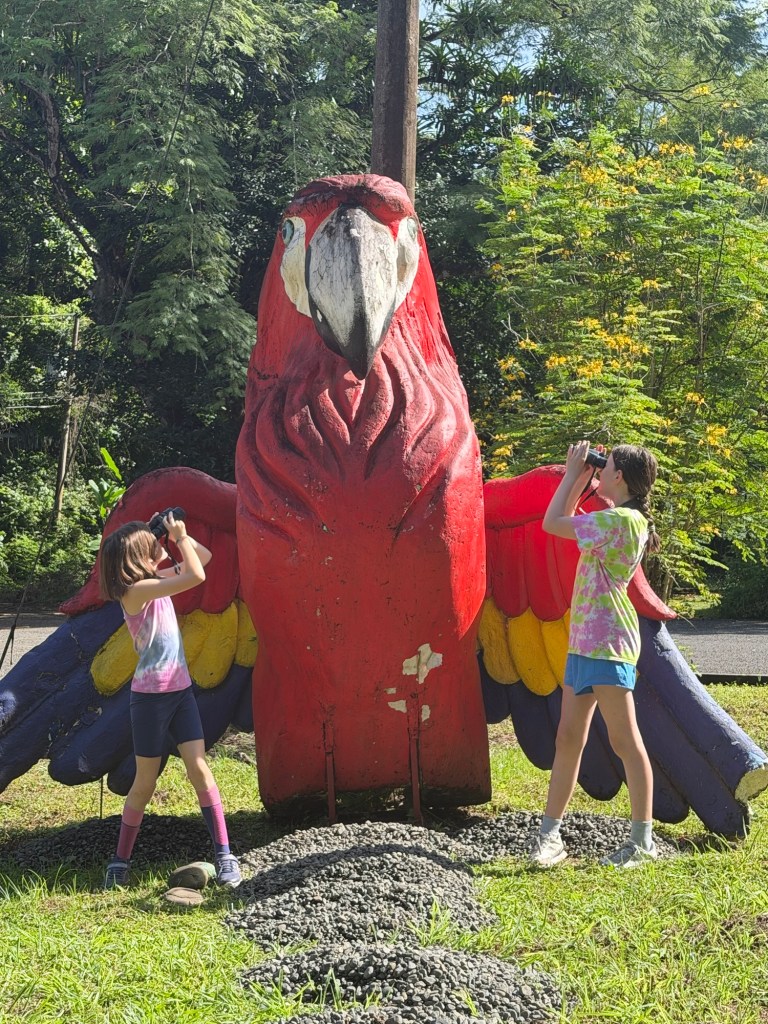
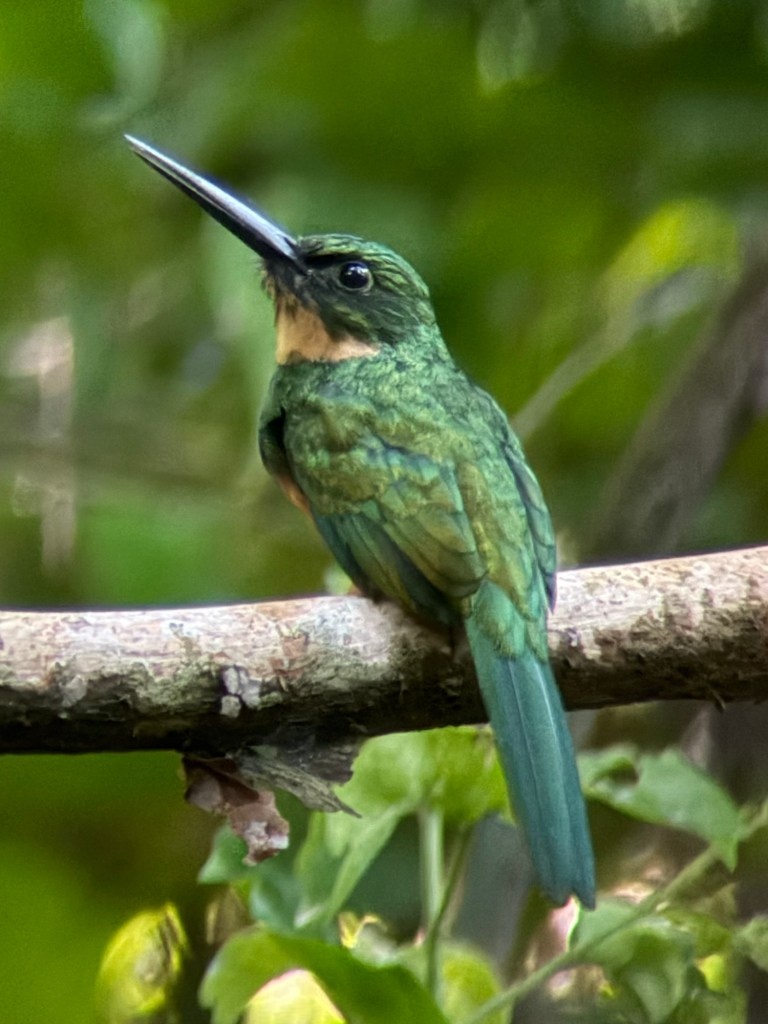
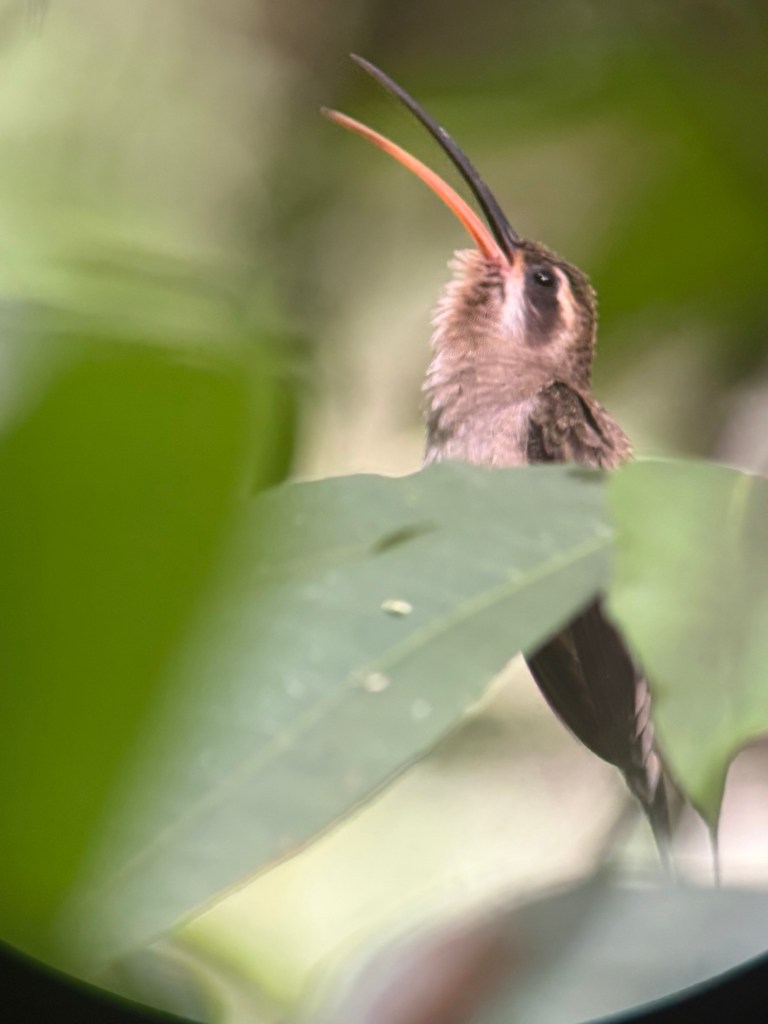
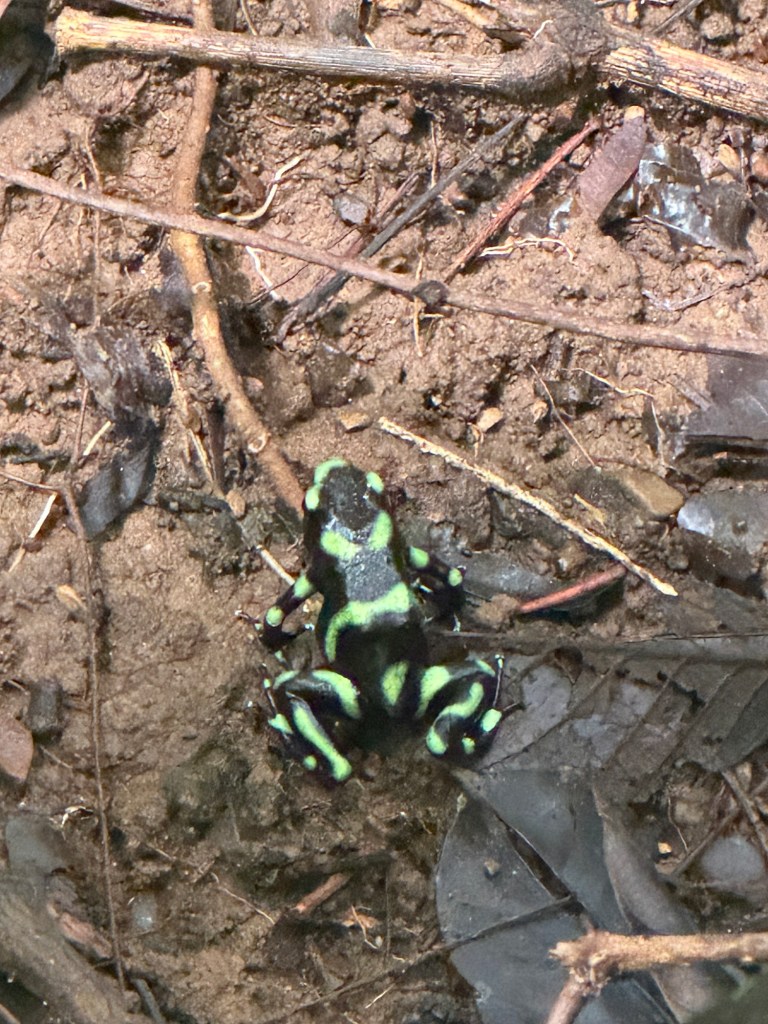
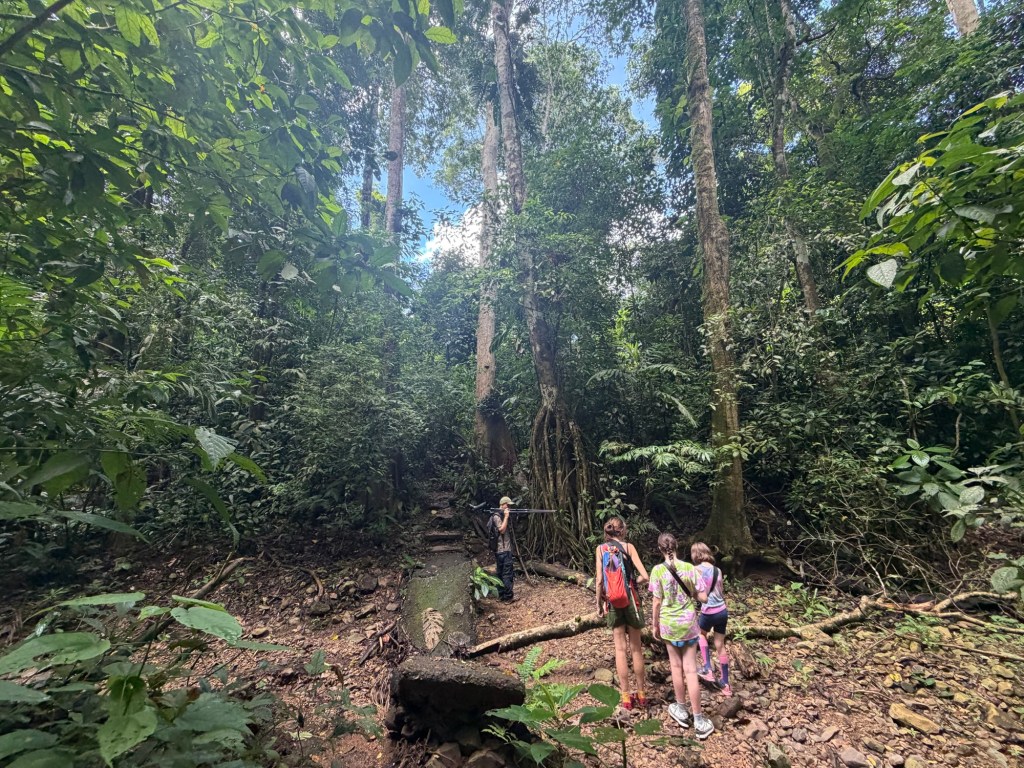
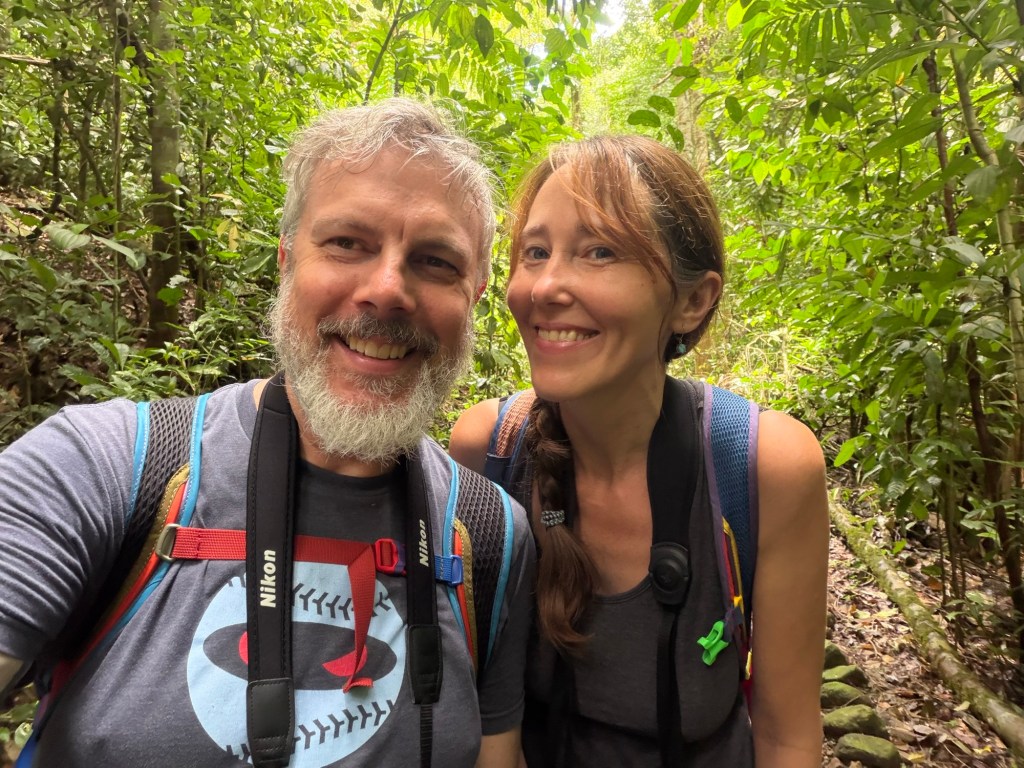
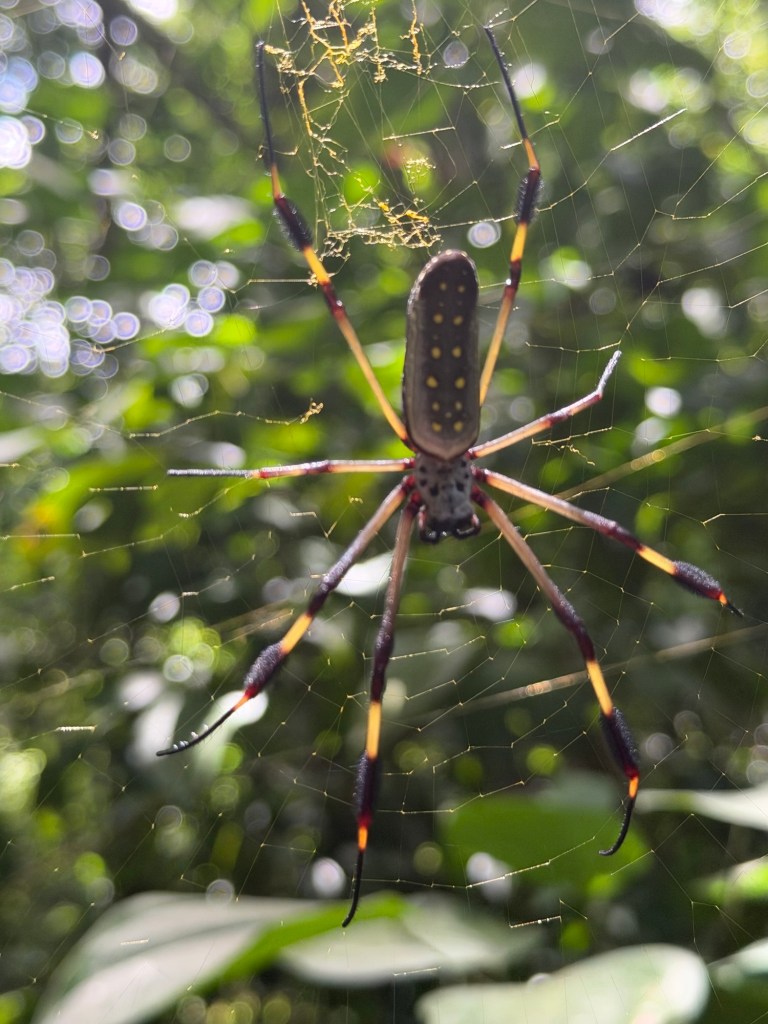
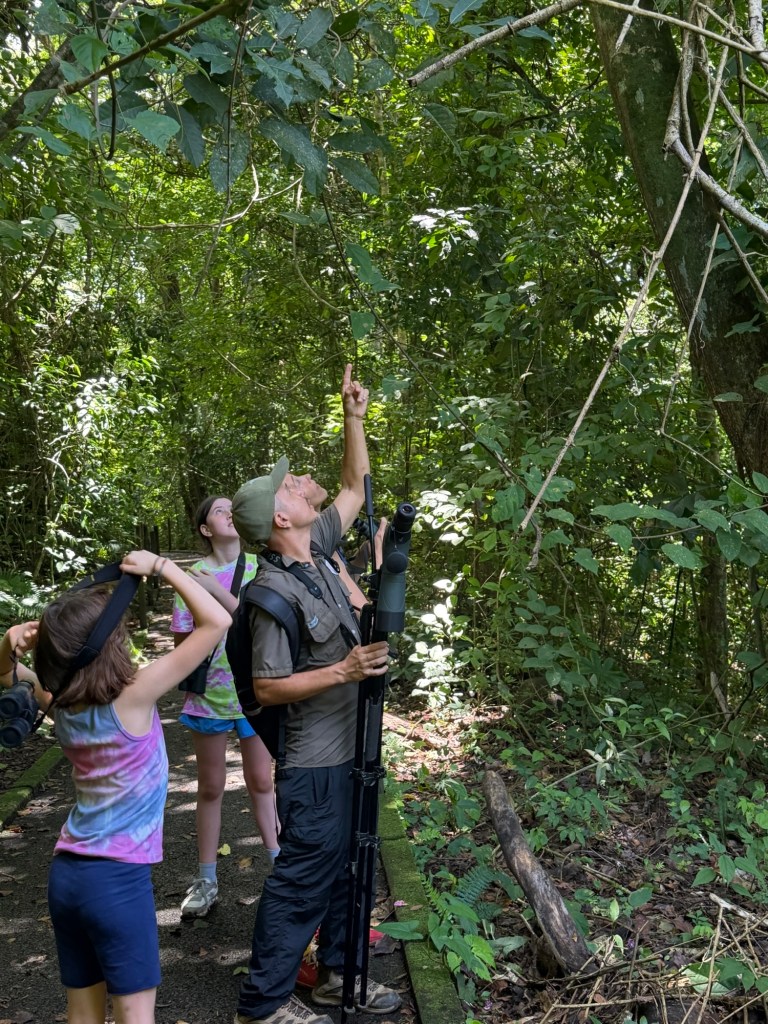
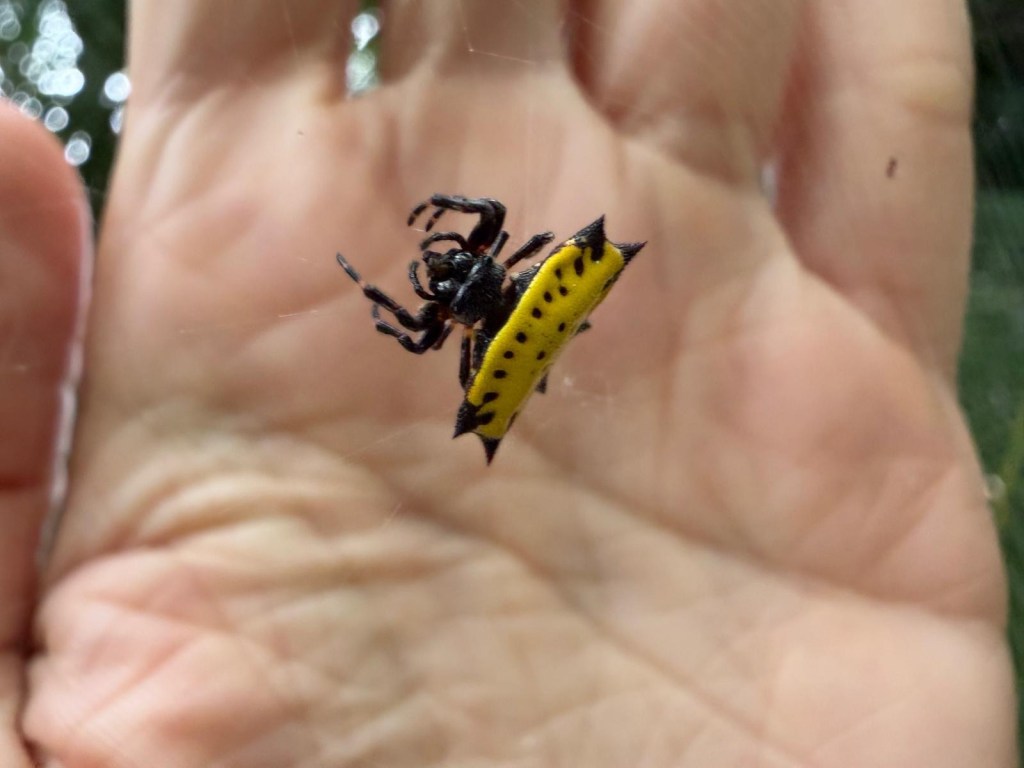
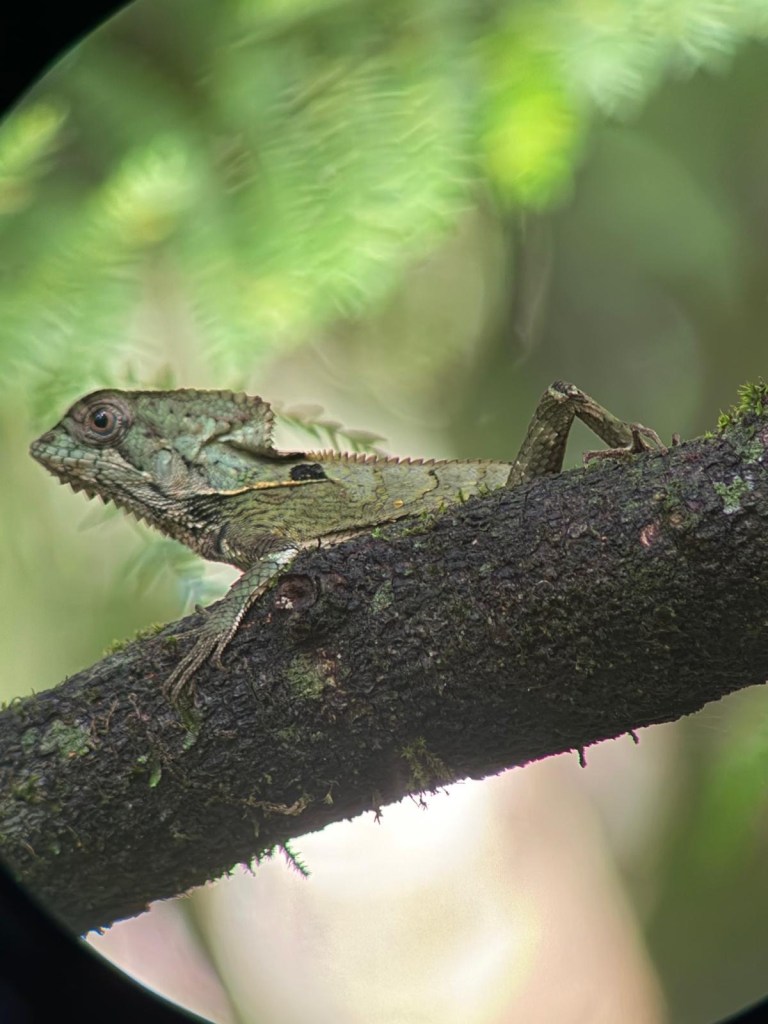
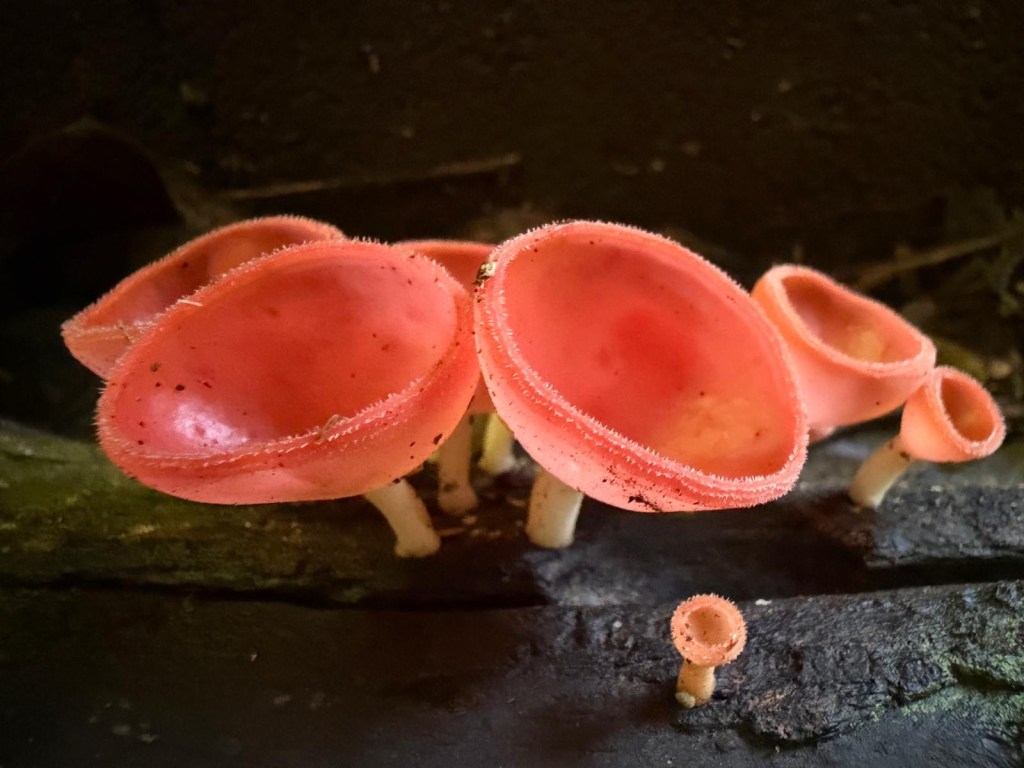
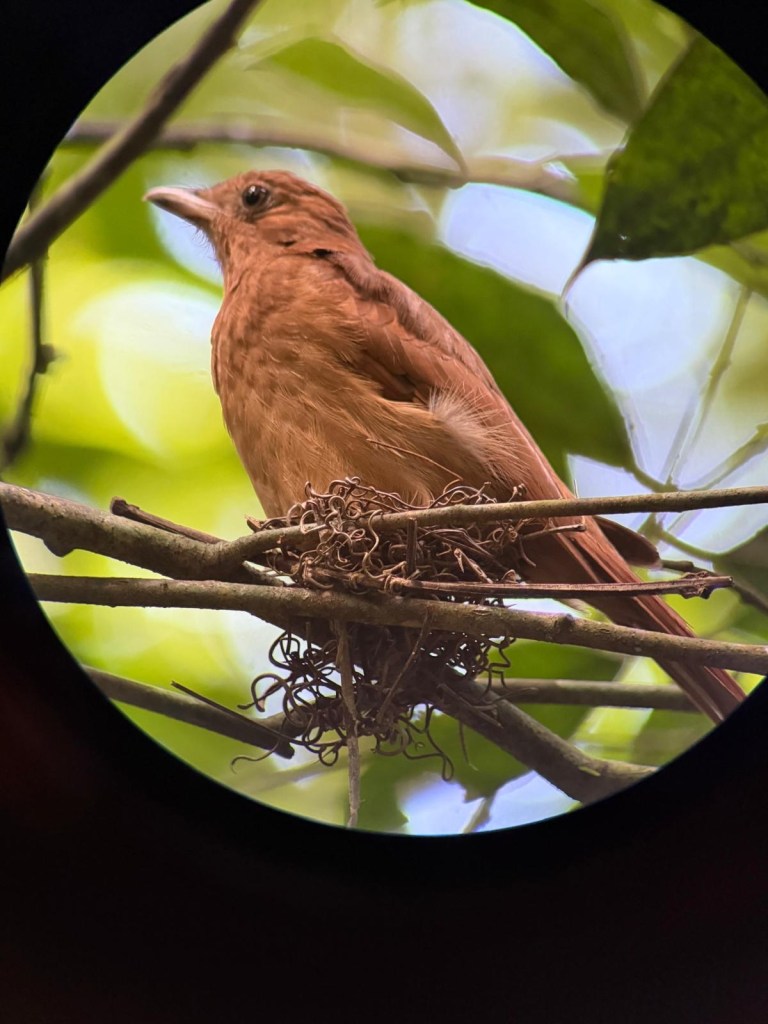
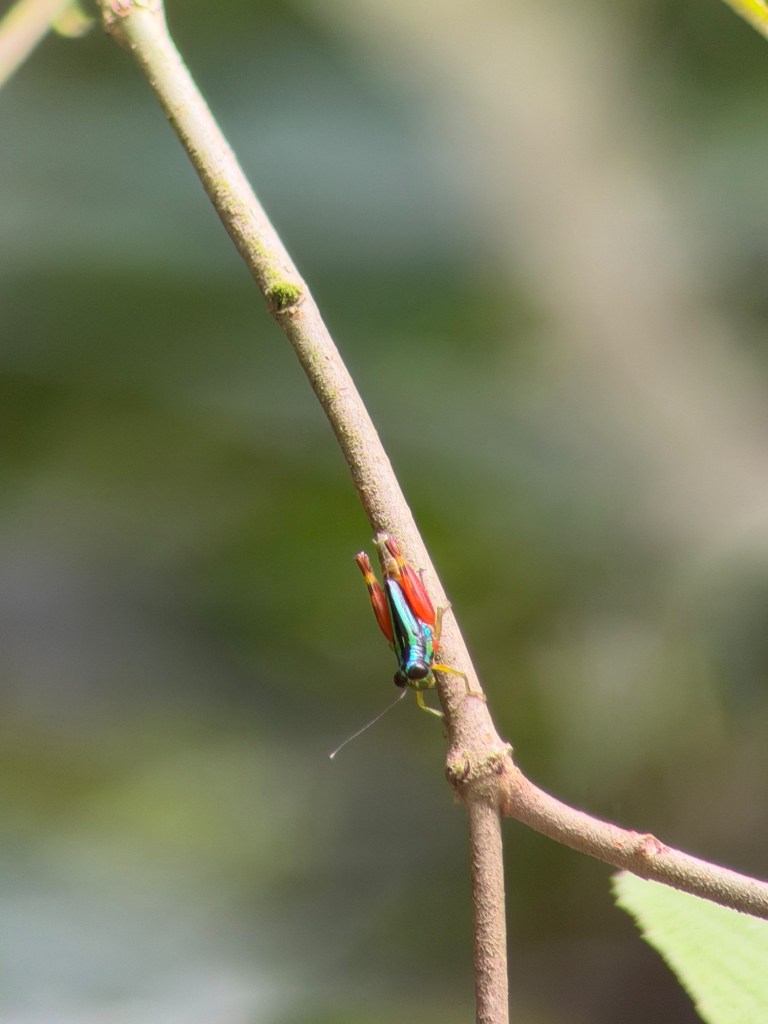
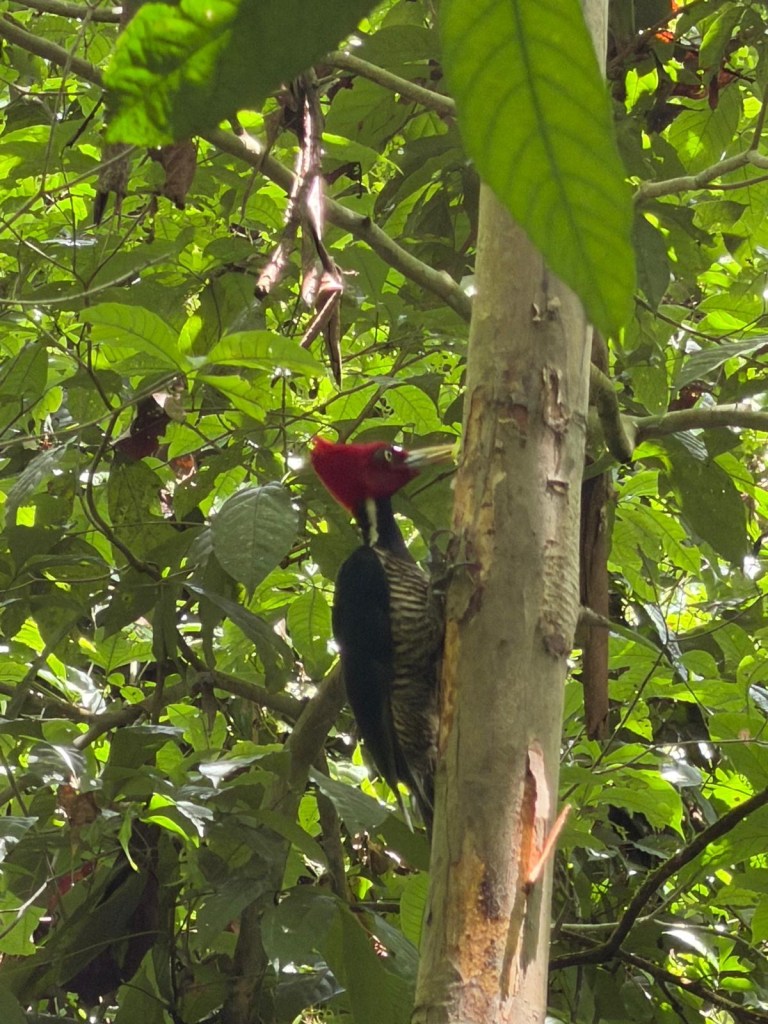
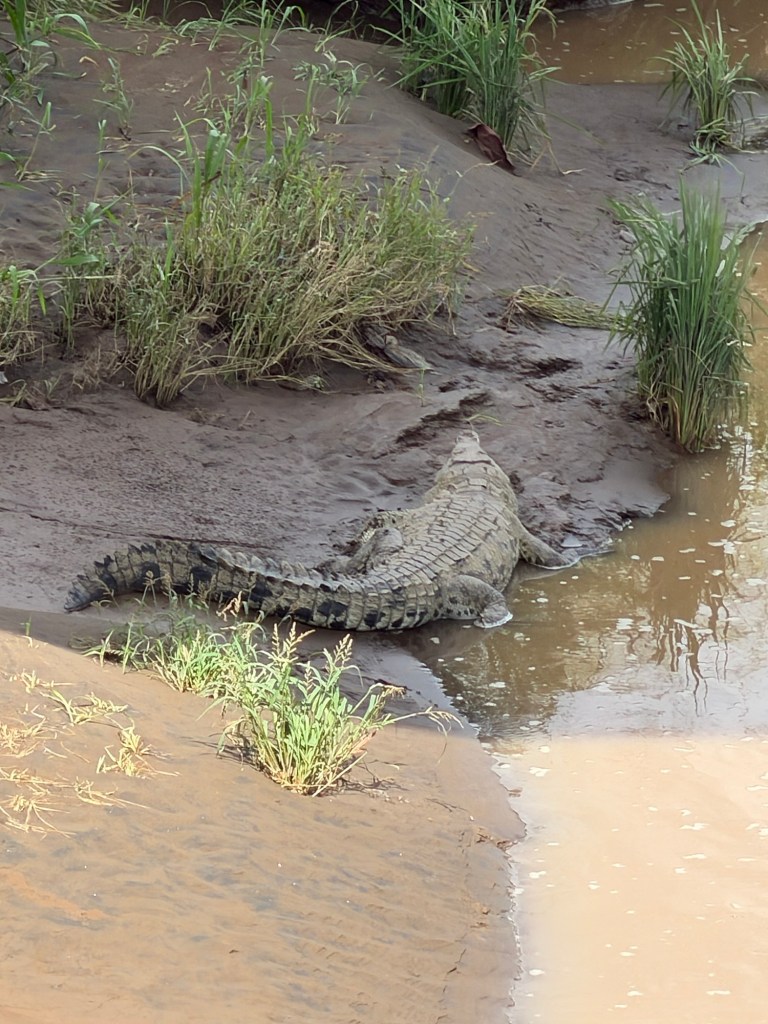
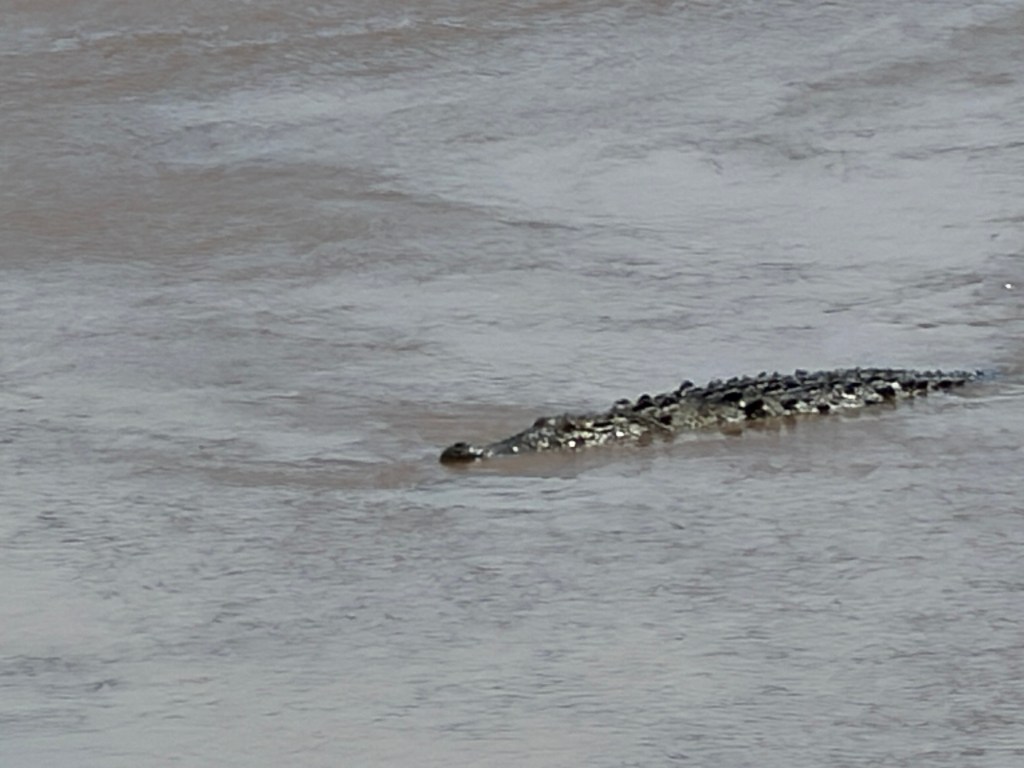
Tarcoles is famous for its river full of American Crocodiles and we were able to visit a bridge to see a few swimming and resting below. We were told that there can be well over 30 of them visible at other times. I for one was super cautious while walking in the area for these creatures, though humans being attacked are incredibly rare.
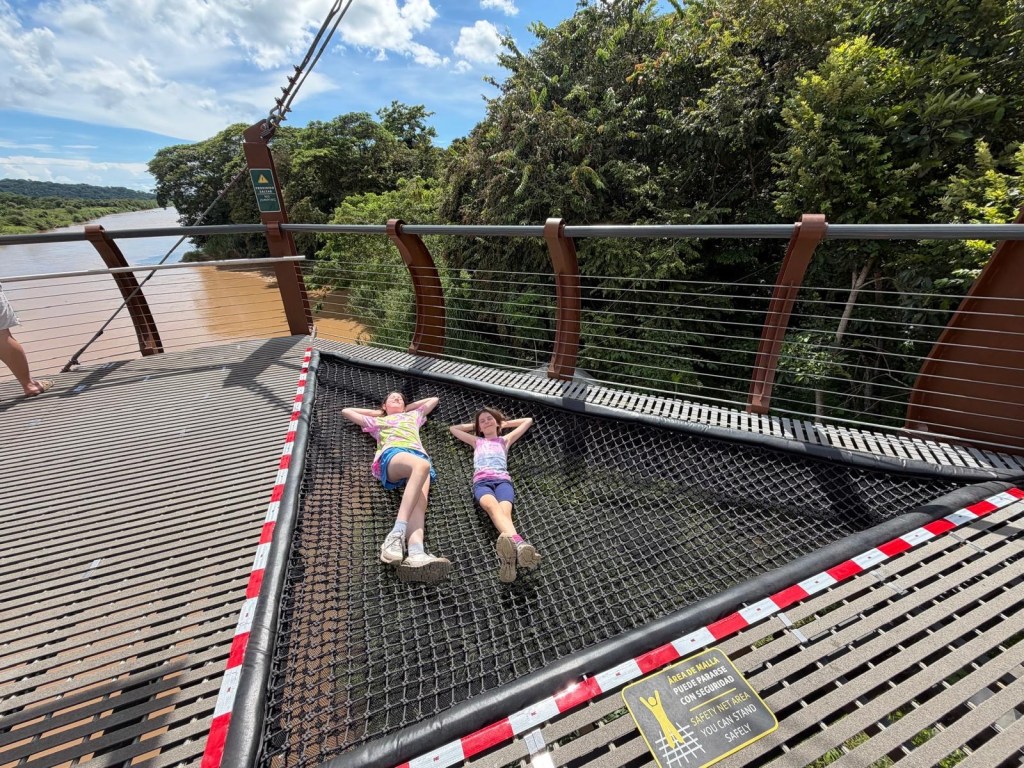
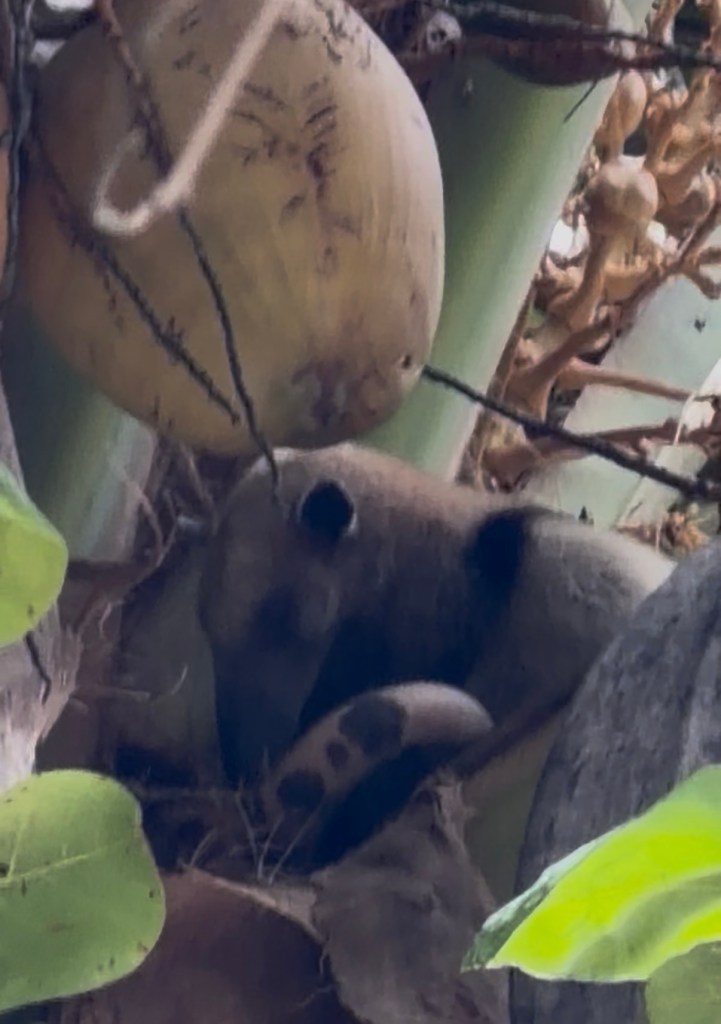
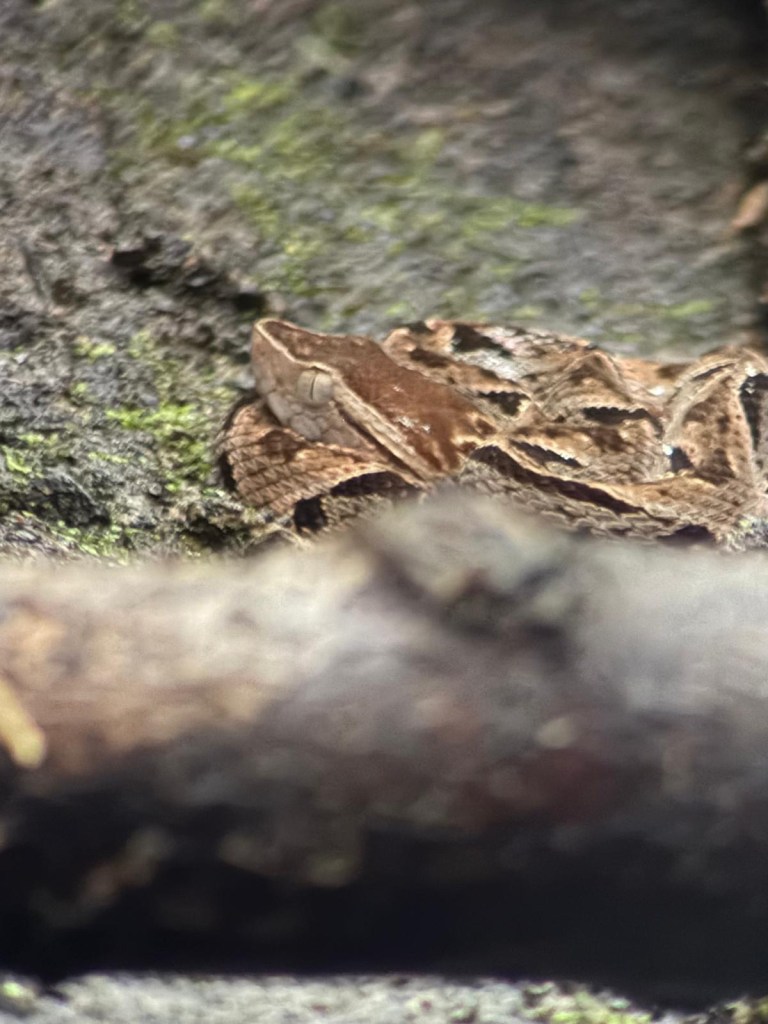
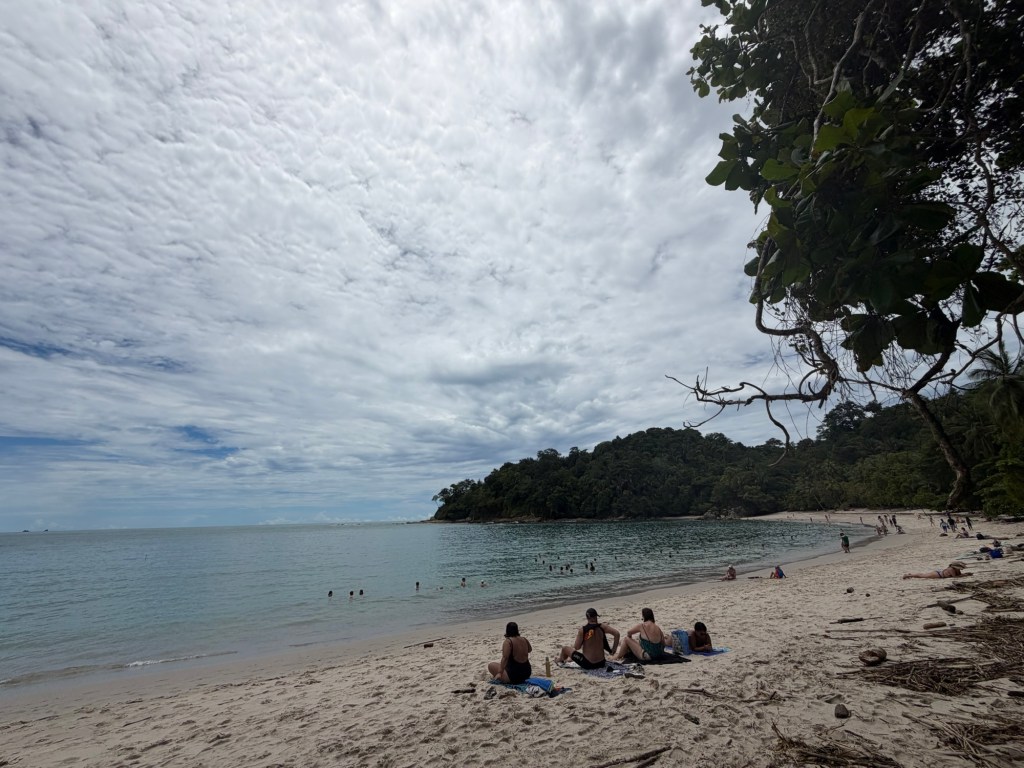
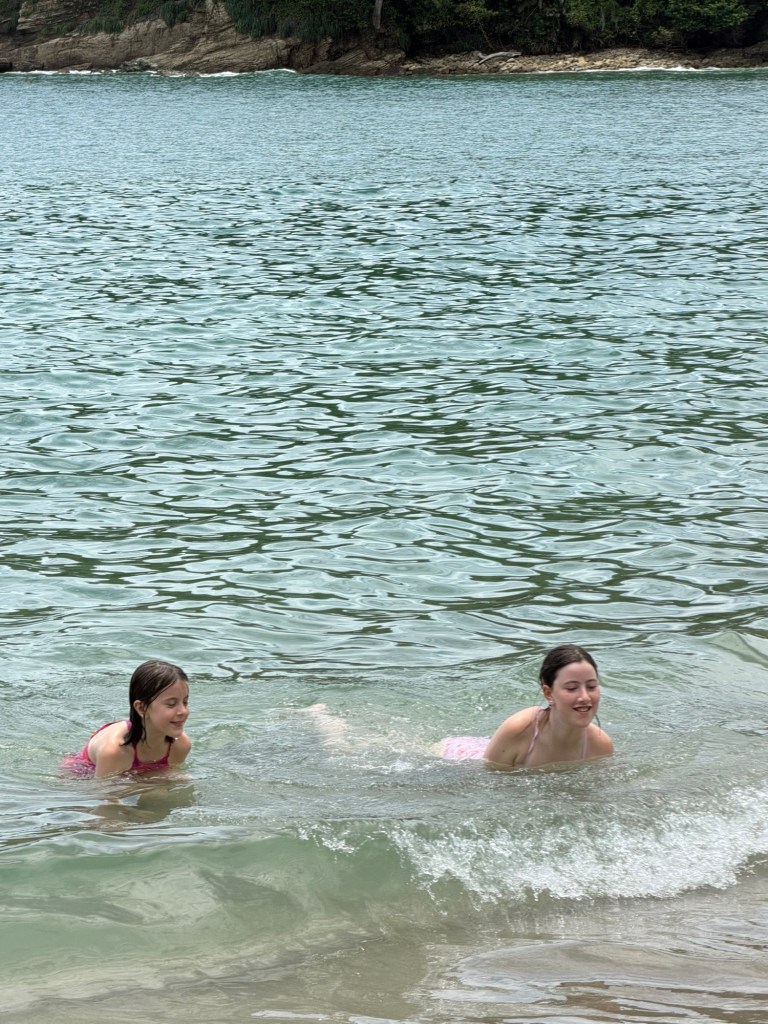
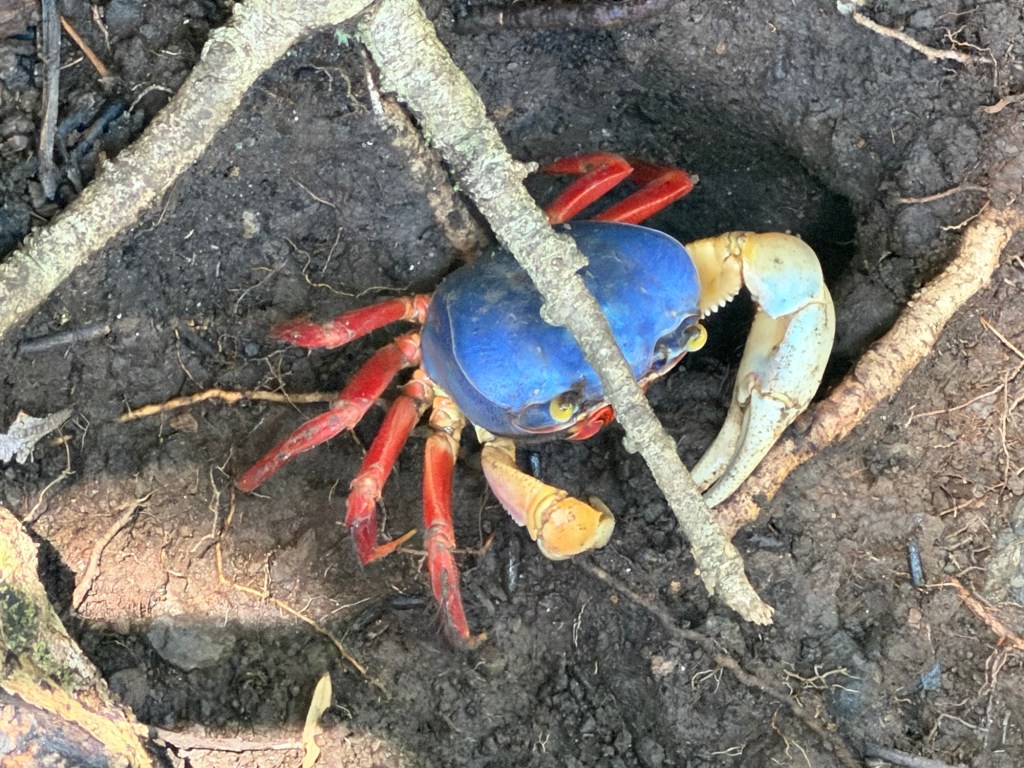
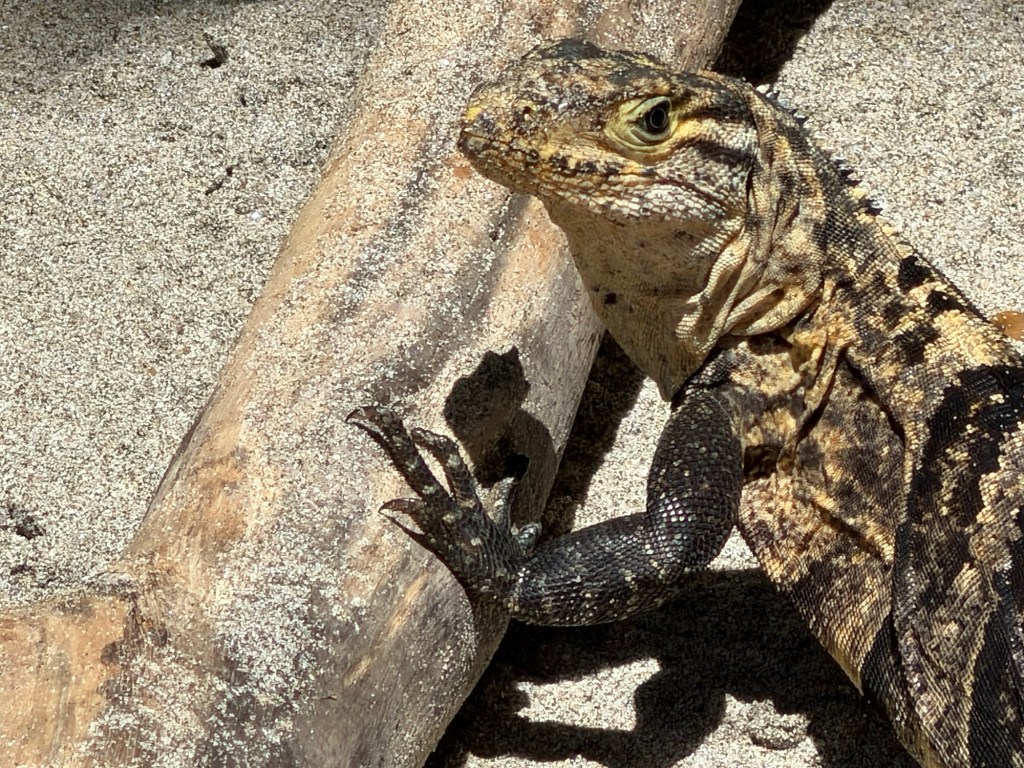
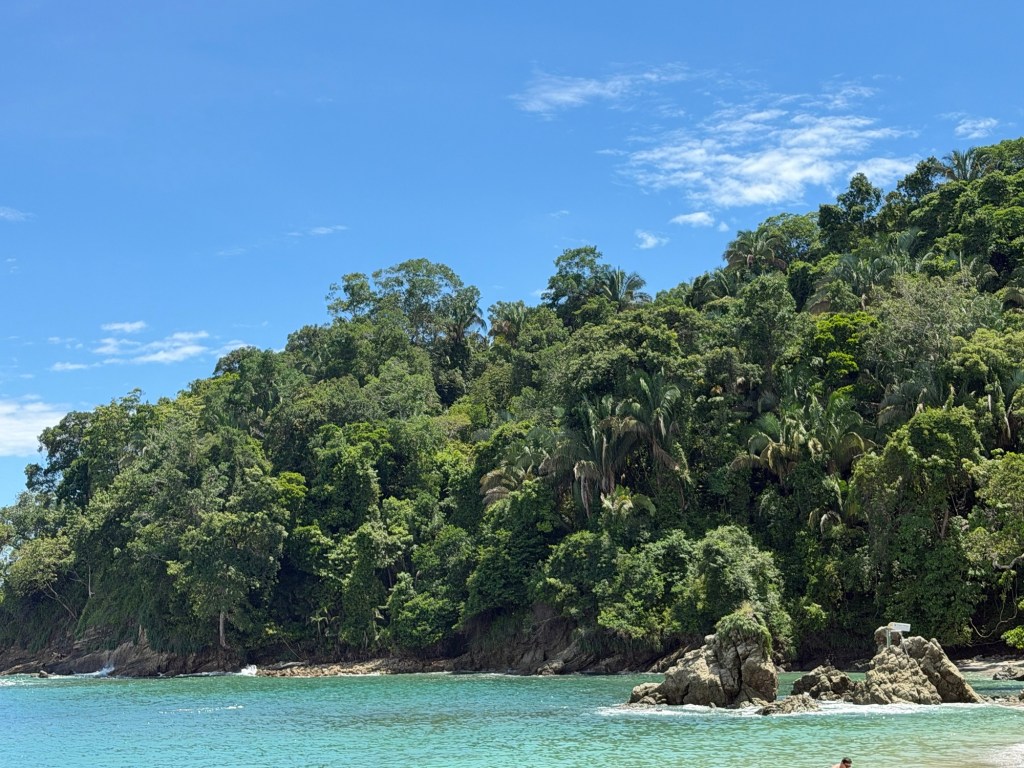
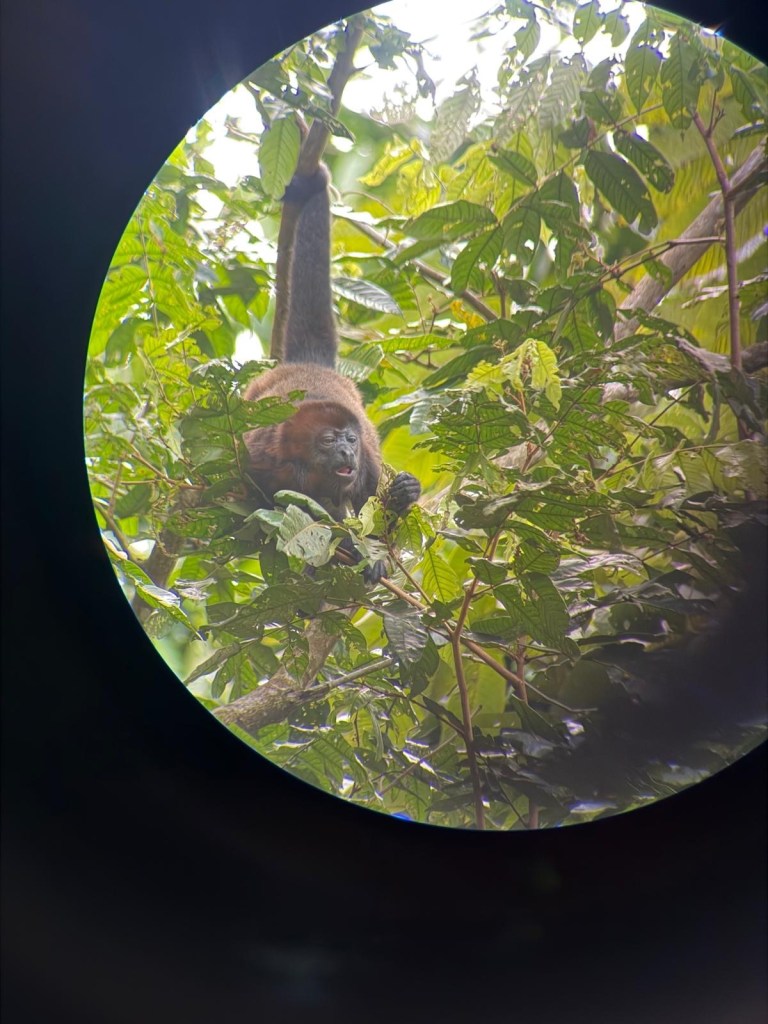
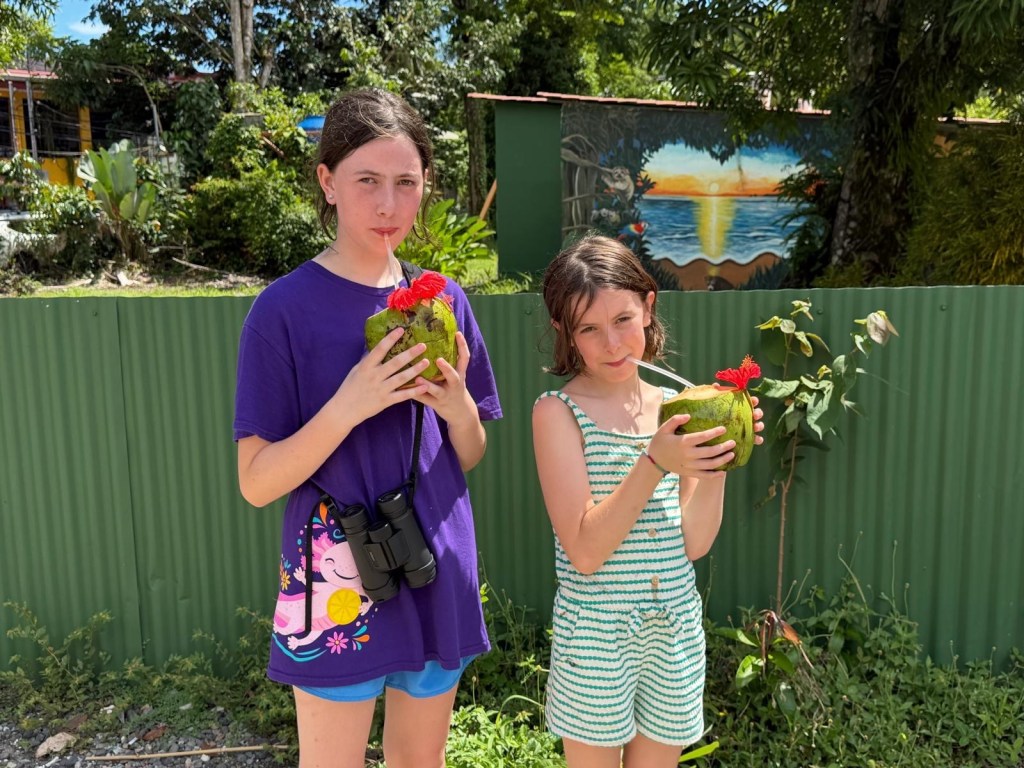
The next day, we left the relatively quiet confines of Carara to visit the smallest and most popular National Park in Costa Rica, Manuel Antonio. This park is known for its dense rainforest and white sand swimming coves. It was an incredible day of seeing all kinds of animals with a refreshing swim in crystal-clear blue water sandwiched in between the hikes through the park. We saw a sloths (one with a baby), an anteater, howler/squirrel/capuchin monkeys, multiple lizards, colorful crabs, hundreds of birds, and even a Fer-de-Lance snake (curled up right by the trail 😬) !!! Photo highlights below:
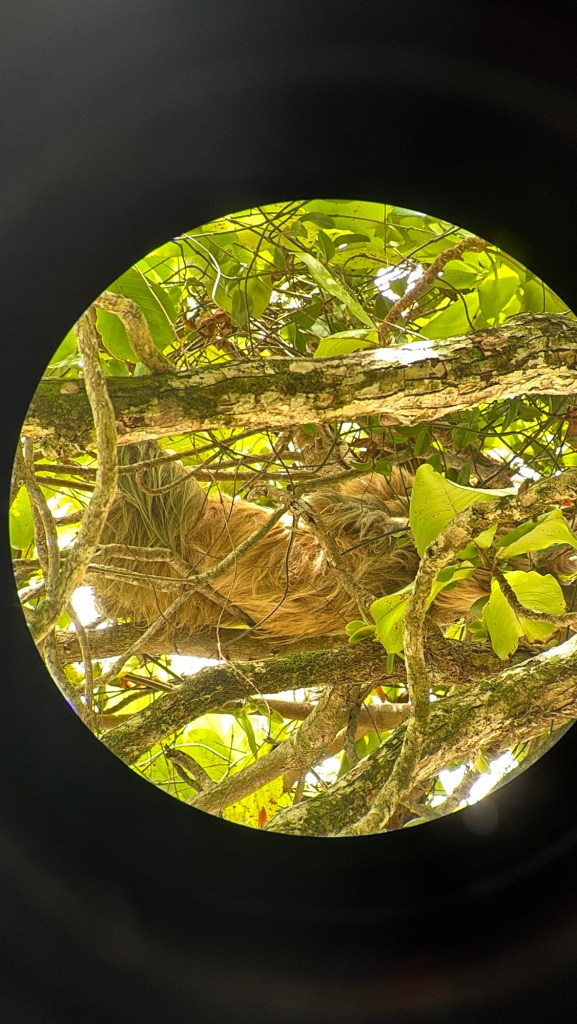
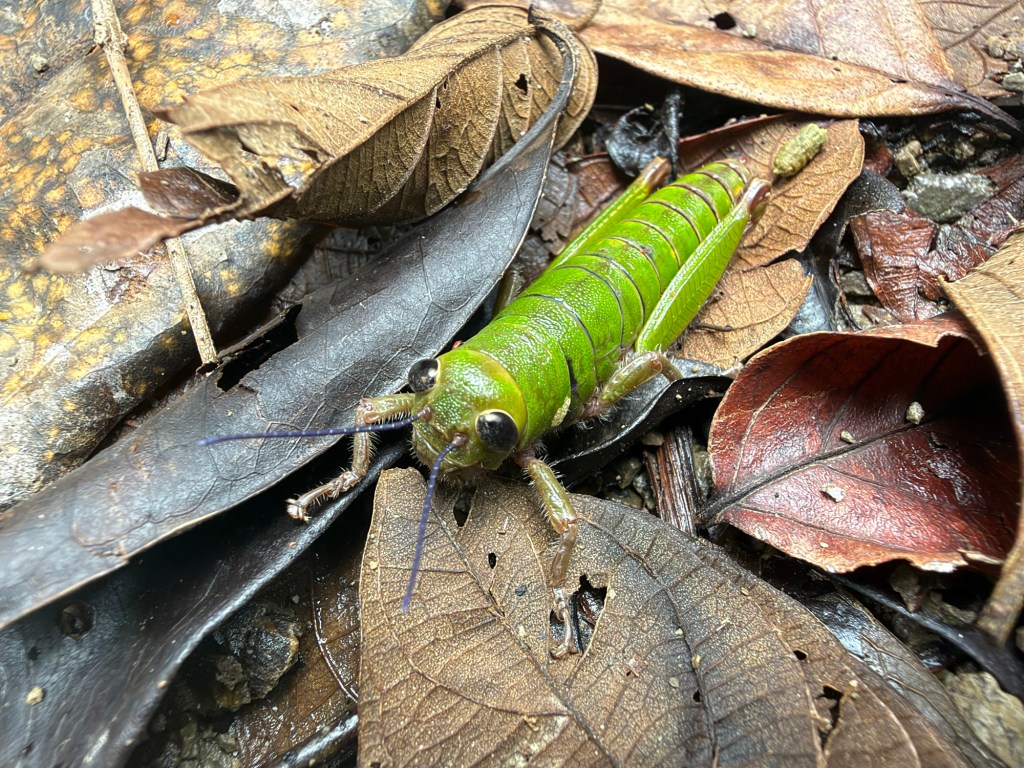
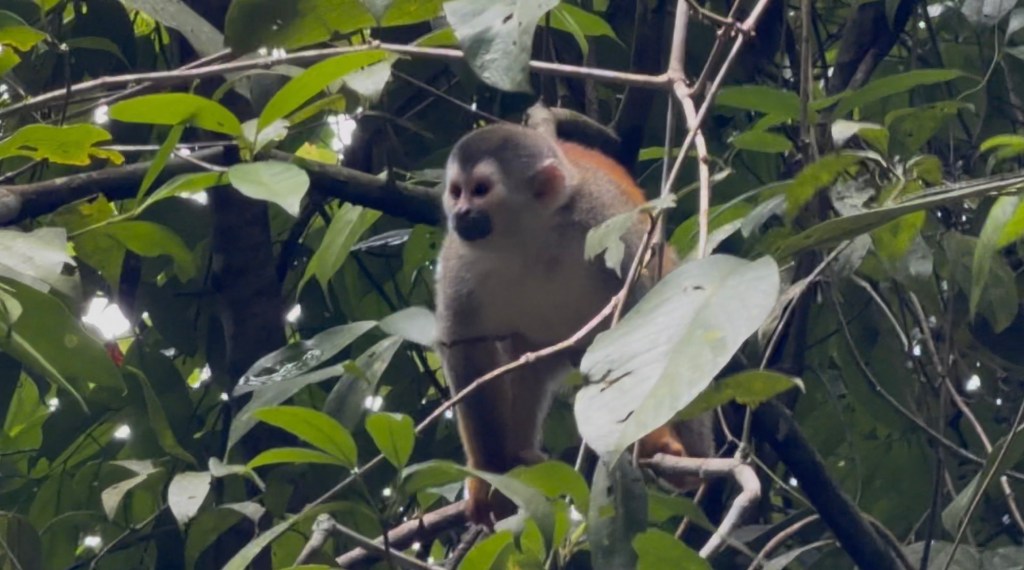
My apologies for this lengthy post and its many photos. Trust me, we are only sharing a fraction of what we have. The trip south and below was a success and the girls survived the heat and humidity for the most part. We returned to temperate Monteverde where I finished my very short role as volunteer substitute teacher for Cleo’s 6th grade ELA Class. I will write more about that in a future post. I will leave you with some additional videos if you are interested from our trip. Many thanks for following along.



Leave a Reply